This year I have been reading a variety of new titles for my Intro to Ethnic Studies course. I want the books to be different from a traditional History or ELA class reading so that students understand the purpose of Ethnic studies is supposed to bring students and communities together. Per California’s Ethnic Studies Framework, these stories should address racialized experiences and ethnic differences as real and unique, build greater understanding and communication across ethnic differences; and reveal underlying commonalities that can bring individuals and groups together. To my delight, Isabelle Allende’s latest novel The Wind Knows My Name really fits the bill.
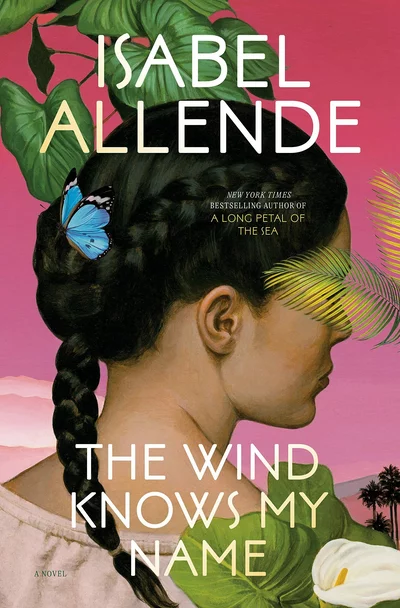
The book blends the story of a young boy who is separated from his family by the Kindertransport of WWII with an El Salvadoran girl who is removed from her mother’s custody at the southern border of the US during the COVID-19 pandemic. She goes from poorly run government facilities to horrible foster care homes in sequences that illustrate how we are struggling to resolve the humanitarian crisis at the border.
Allende deftly weaves historical content throughout the narrative. This gives the History teacher side of me a chance to have students revisit what they have already learned about the Holocaust and current border issues. In my traditional History course, I like having students corroborate facts from historical fiction and non-fiction with the facts in our textbook. Allende provides many passages with rich, historical detail where it would be possible for students to do that.

This book contains a great deal of emotional content that students can use to empathize with the characters in the story. The parallels with what is currently going on at the border are of high interest to my students. This is an ideal novel to frame class discussions on the type of American Democracy that students want to participate in.

I like to use the Pew Research Survey Political Typology Quiz so my students have the academic vocabulary to discuss controversial issues respectfully. In the afterword, Ms. Allende writes about the foundation she established in her late daughter’s name that advocates for the poor all over the world. This book provides an excellent narrative for students to ask to what extent do nations today take care of poor and desperate asylum seekers? If that isn’t the job of an Ethnic Studies teacher, I don’t know what is.
 HistoryRewriter