Adam Moler and I will kick off the second season of The Social Studies Show on Thursday, January 18, 2024 at 6 PT/9 ET. We are excited to work with our EduProtocols Plus members to better understand the role of Archetypes in understanding historical events.
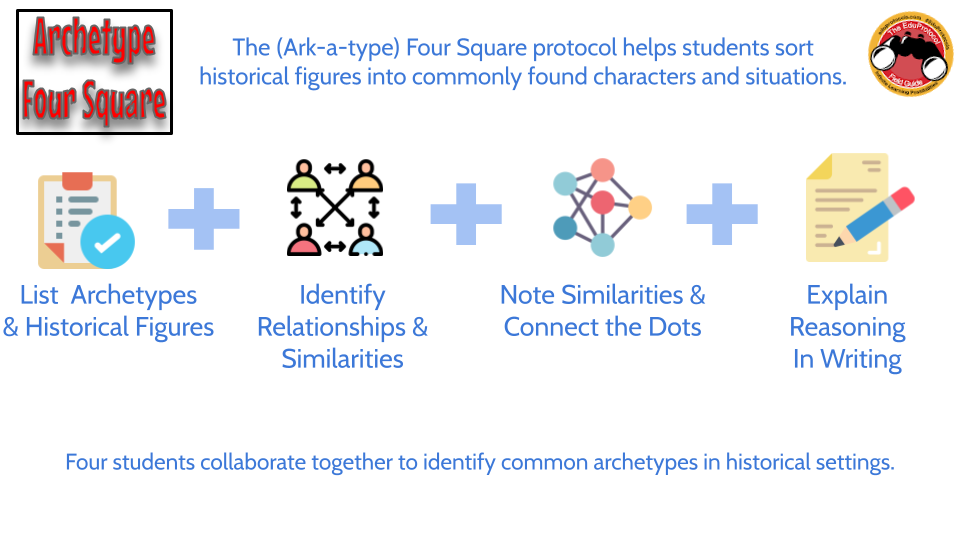
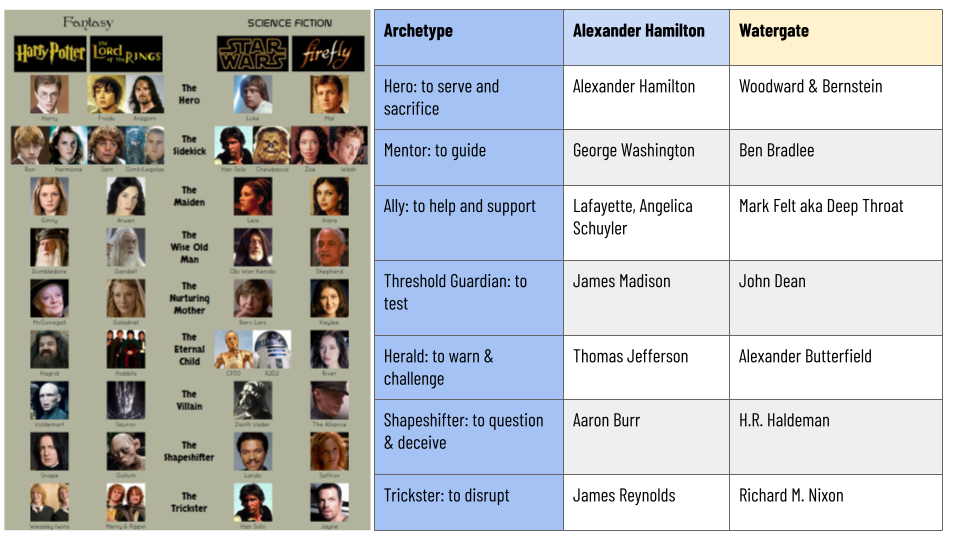
The Archetype Foursquare EduProtocol (Chapter 13) helps students at all levels demonstrate that they can transfer their learning from one subject (English) to another (History). When students start to see that all of their subjects are connected. They become more engaged learners.

Understanding archetypes helped my students compare the Holocaust and the Cambodian Genocide. These exercises have given my students more practice in identifying the commonalities that connect historical figures. Plus, they work equally well in fiction and nonfiction. Combining the archetypes analysis with the Hero’s Journey framework can make for a rigorous and engaging formative assessment.
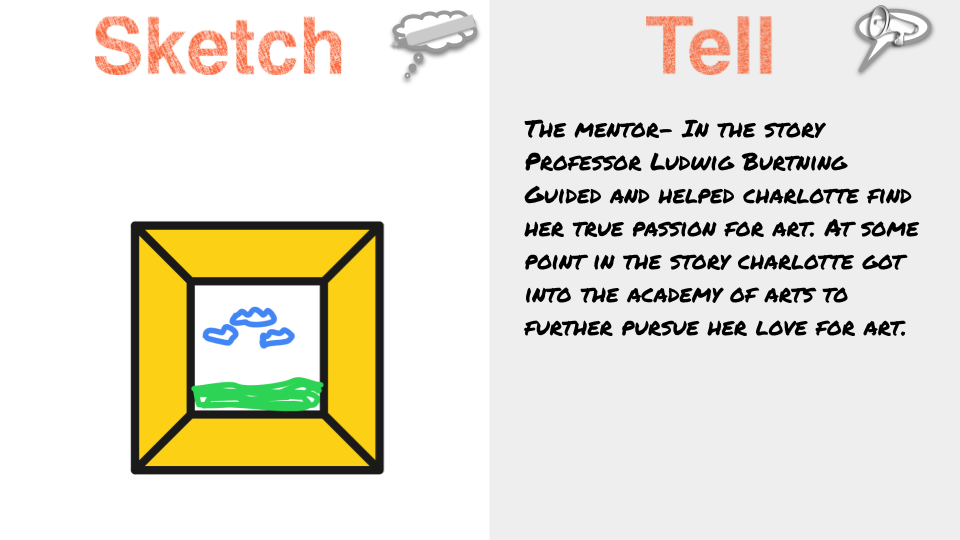
Recent Environmental Studies scholarship has utilized archetypes in sustainability research to better understand corporate motives and evidence-based policymaking. One of my students doing a project for AP Environmental Science used archetypes when analyzing who was the worst villain or shadow in the history of fracking which was well laid out in Rachel Maddow’s 2019 book Blowout.

Was it George P. Mitchell, Aubrey McClendon, Rex Tillerson, or Vladimir Putin? Students could be equally engaged in rigorous discussion when trying to determine which historical figures played the role of hero, ally, threshold guardian, shapeshifter, trickster, or mentor. Students will need to dive into the text and back up their claims with evidence.
Not sure if your students are advanced enough to use archetypes in your class? Take a look at these elementary school lessons.
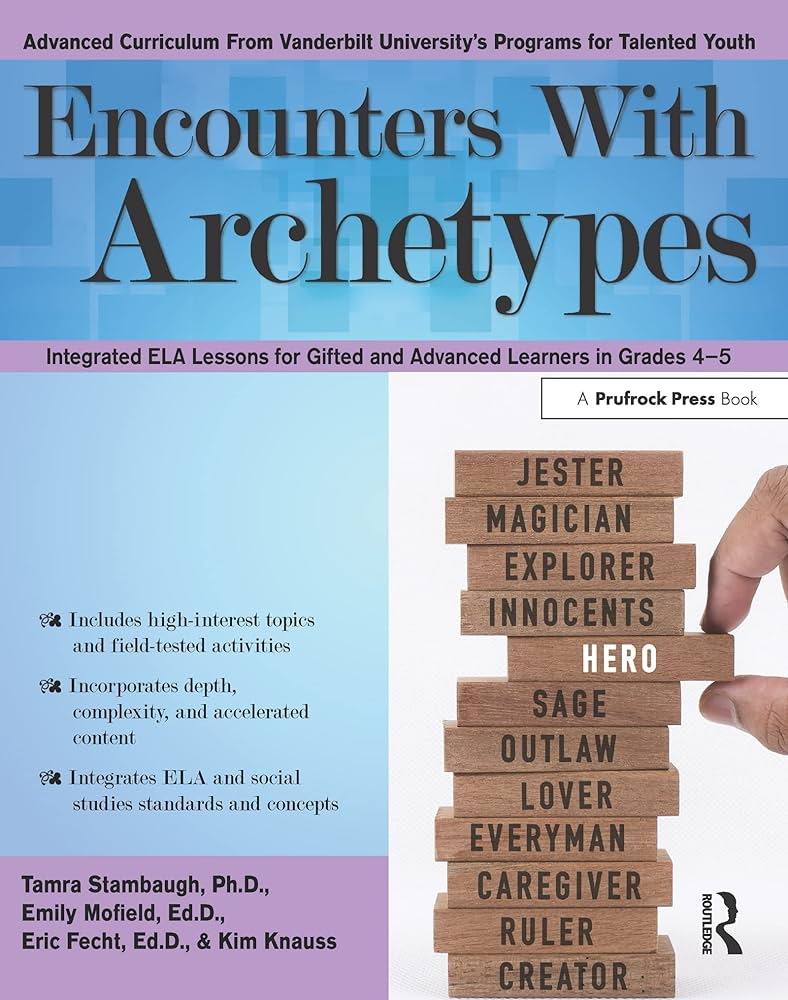
Here is a free book preview that guides teachers on how to integrate interdisciplinary instruction with ELA and Social Studies. We hope you will join the show with examples of how you have used Archetypes in your class.
You can follow #EduProtocols enthusiasts on Twitter/X or join our Facebook group for educators.

Do a search with the hashtag #EduProtocols to view more examples.






 HistoryRewriter