Category Archives: EDUprotocols

EP Roadshow: Save The Date

Calling all secondary educators! Mark your calendars for a high-energy and inspirational professional development opportunity. On April 26, 2025, the EduProtocols Roadshow will take over the Hiller Aviation Museum in Northern California. The location is close to the Redwood City Residence Inn and the Blue Oak Brewing Company in San Carlos. 

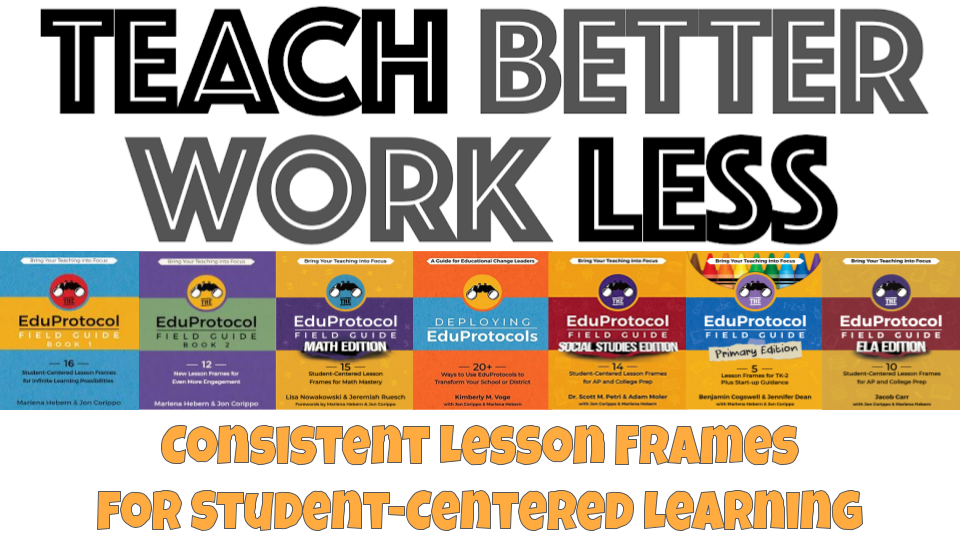
This intimate, one-day event is designed to help you teach more and grade less. Don’t miss this chance to learn directly from EP experts on how to implement EduProtocols easily into your classroom practices. The day features a special focus on math, English Language Arts (ELA), science, and social studies.

What makes this professional learning so exceptional? The Roadshow will quickly onboard new users with 5-6 versatile EduProtocols that are adaptable across all subjects and grade levels. If you are an experienced EP user, you will be inspired by rack and stack advice offered by our expert faculty. The goals are simple: give you a fast start in utilizing EduProtocols and provide you with an opportunity to collaborate with educators who will support you during your teaching journey.
Why Attend?

The EduProtocols Roadshow is more than just a workshop; it’s an engaging and supportive learning environment designed to help you integrate EduProtocols within your existing curriculum. These FREE lesson frames are crafted to be easily adapted and highly effective, ensuring you leave the event with practical strategies you can apply immediately.

Each “in the round” session is high-energy and hands-on, providing a scaffolded series of classic EduProtocols facilitated by the originators themselves. From Smart Start to academic use and implementation, you’ll see these EduProtocols in action and understand their full potential.

Meet the Experts

This special event will feature teacher-leaders in the EduProtocols community. Get insights and hands-on training from:

·       Jon Corippo, co-founder of EduProtocols

·       Jacob Carr, author of the EduProtocol Field Guide ELA Edition

·       Dr. Scott Petri, co-author of the EduProtocol Field Guide Social Studies Edition

·       Ariana Hernandez, eduprotocol enthusiast and science educator extraordinaire

With their extensive expertise and passion for education, these facilitators will guide you through a transformative learning experience.

Register Now

This event is capped at 150 participants to ensure an intimate and personalized experience. Don’t miss your chance to be part of this transformative day. Register now and take the first step towards revolutionizing your teaching methods with EduProtocols.

Join us at the EduProtocols Roadshow on April 26, 2025, at the Hiller Aviation Museum. Together, let’s create an educational experience like no other and embark on a journey of lifelong learning and support.

Register HERE.

What’s in Store

The event kicks off at 8:30 AM, and from there, you’ll dive into a dynamic schedule packed with interactive sessions. Here’s a glimpse of what to expect:

·       8:30 AM – Show starts! Get ready for an exciting day ahead.

·       9:00-10:30 AM – Round One of EduProtocols in the round with the team. Experience hands-on learning with practical demonstrations.

·       10:30-10:45 AM – Coffee and snacks. A quick break to recharge and network.

·       10:45-11:00 AM – EduProtocols: What the data says. Learn about the effectiveness of EduProtocols through data-driven insights.

·       11:00-12:30 PM – Round Two of EduProtocols in the round with the team. Continue your hands-on learning journey.

·       12:30-1:15 PM – Lunch Break. Enjoy a well-deserved lunch and connect with fellow educators.

·       1:15-1:30 PM – EduProtocols and Brains. Discover how EduProtocols engage students’ cognitive processes.

·       1:30-2:30 PM – Round Three of EduProtocols in the round with the team. Deepen your understanding with further practical sessions.

·       2:30-2:45 PM – EduProtocols Changed My Life. Hear inspiring testimonials from educators who have transformed their classrooms with EduProtocols.

·       2:45-3:30 PM – Collaborate with educators building units and lessons you can add to your instructional routines. Conclude the day by making specific plans for implementing EduProtocols in your classroom.

** All times are in Pacific Time. Schedule subject to change.

Social Studies Thick Slides

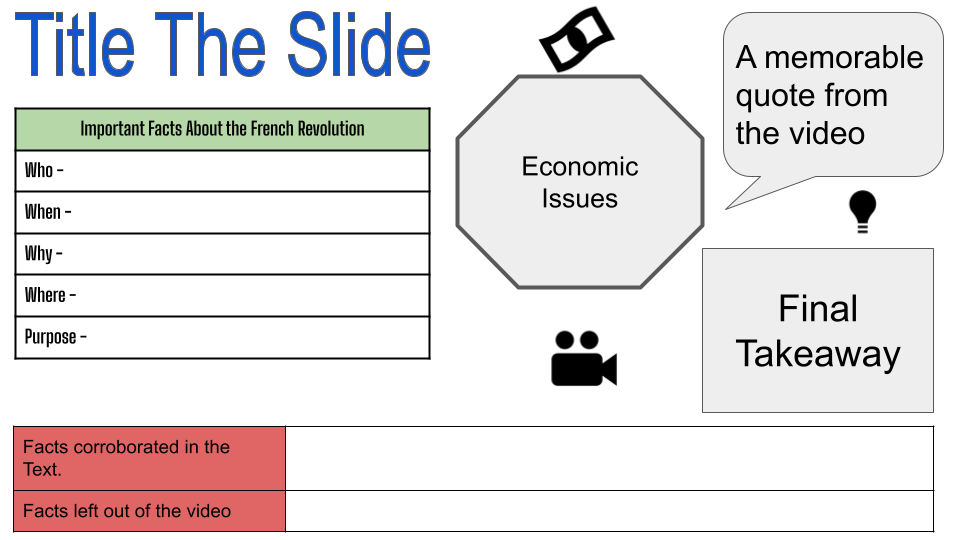
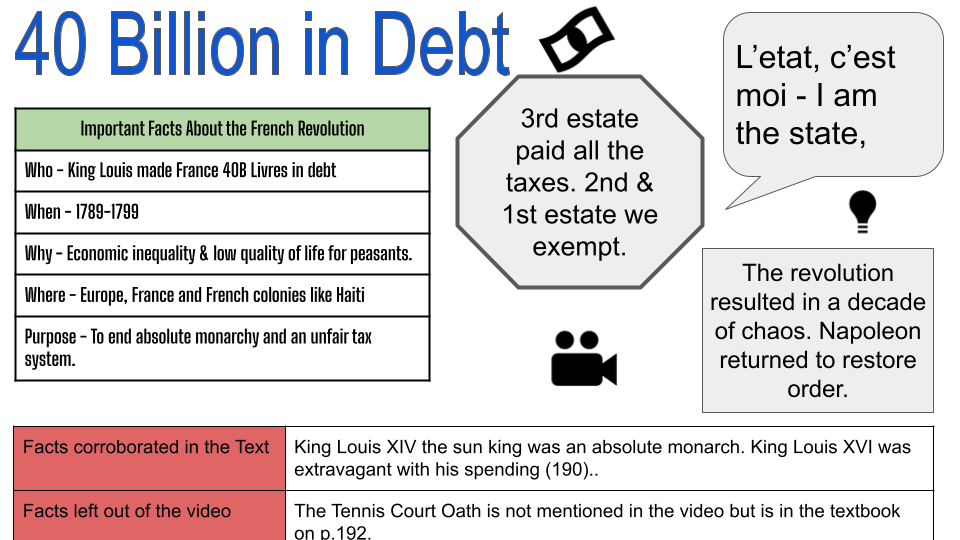
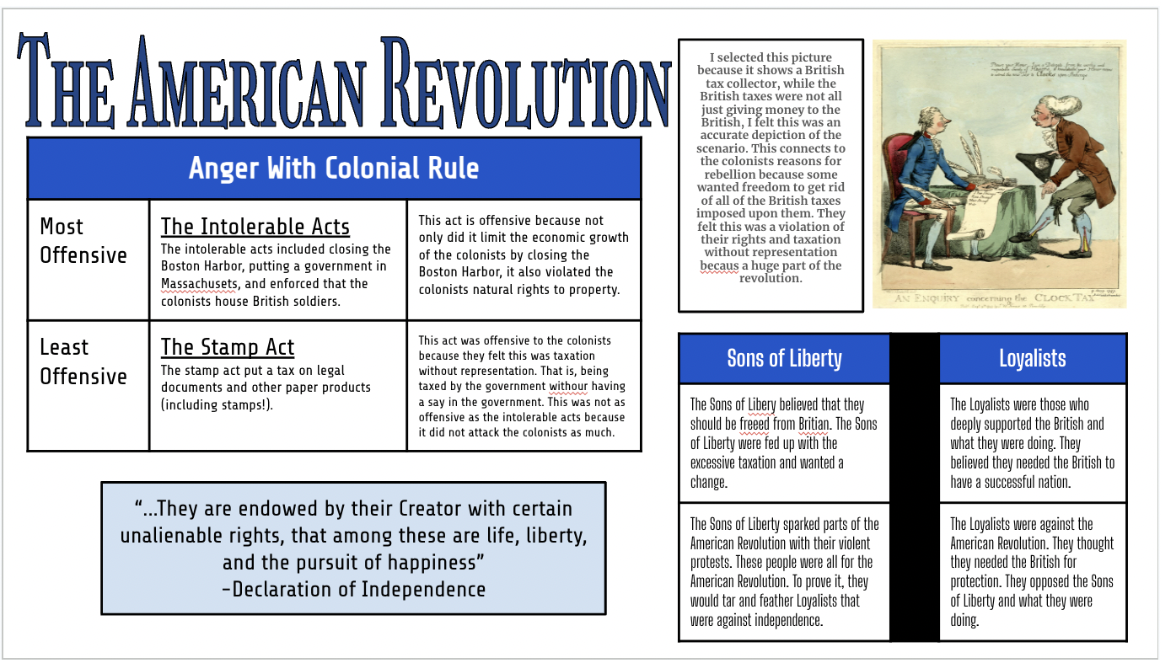
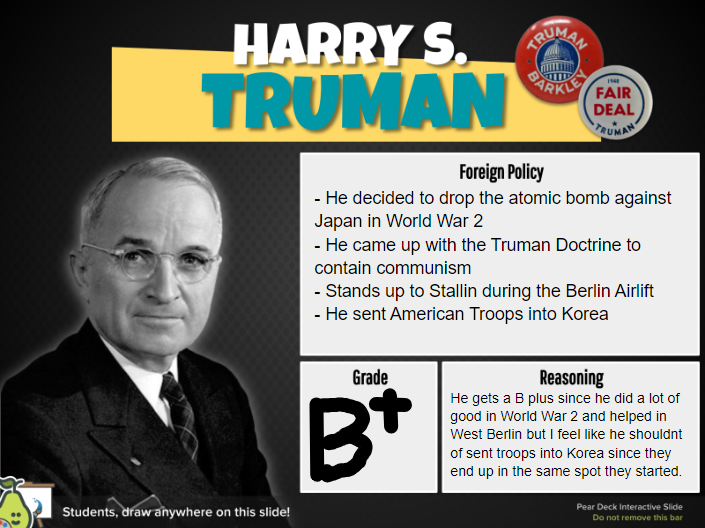
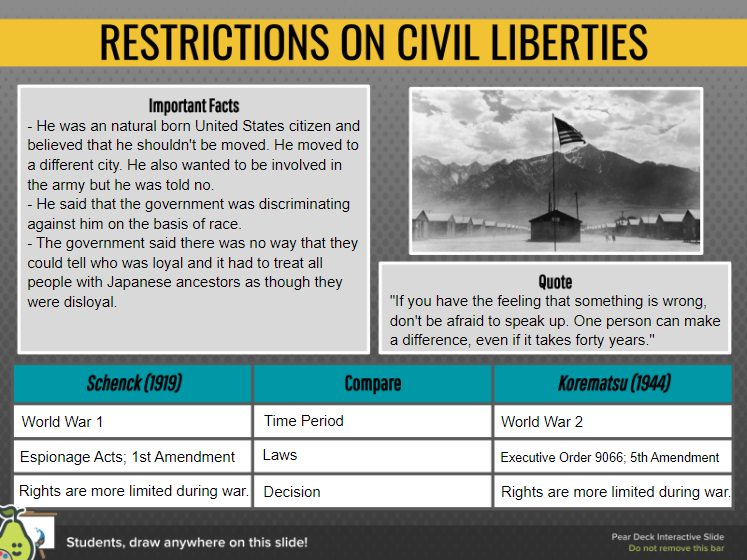
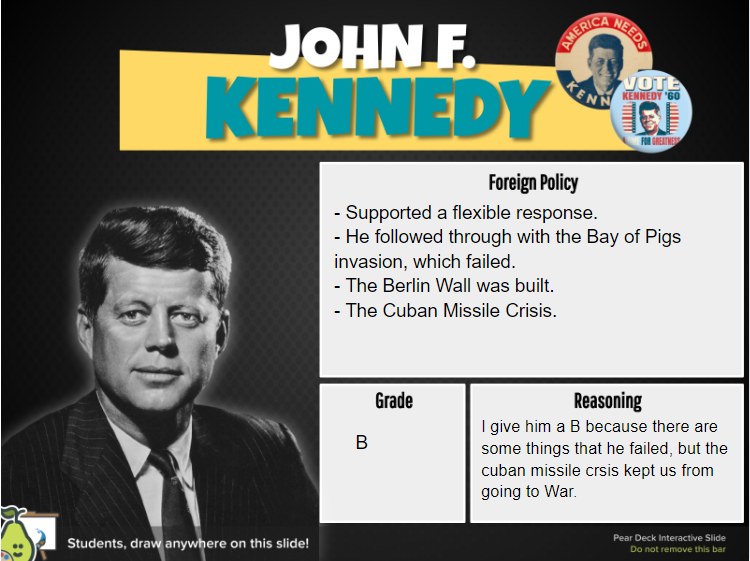
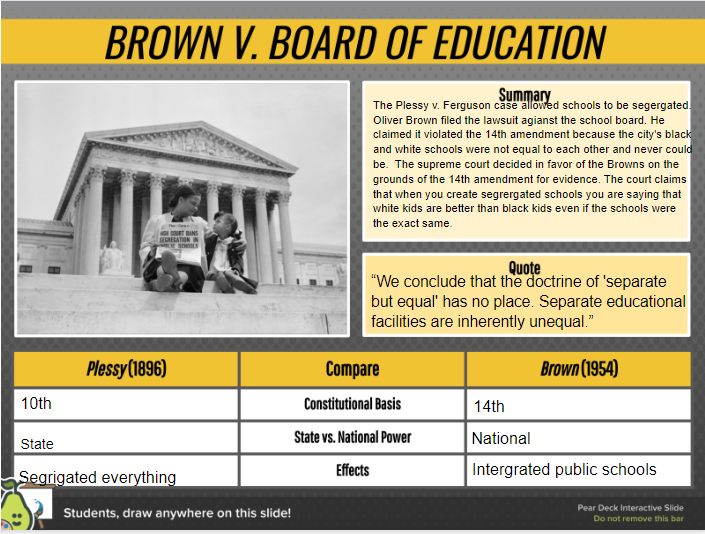
Thick Slides (although not in our book) are a flexible and popular EduProtocol that should be in every Social Studies teacher’s toolbox. Thick Slides help students extract key information from a text, lesson, or video and complete a deconstructed paragraph that asks for specific fields like who, where, what, when, and why? They are a fun and engaging formative or summative assessment that gives students some structure for writing.

The last time I wrote about Thick Slides, I used them for a Primary Source Scavenger Hunt. Adam recently reflected on how Thick Slides could be deepened or thickened by having the categories range up the Depth of Knowledge (DOK) framework from recall to application to strategic thinking.

I have also used Thick Slides as a critical friend protocol to create an authentic audience to review student projects. When my students created Ignite Talks on the French Revolution, Thick Slides gave them a formalized way to report what they learned from watching each others’ videos.

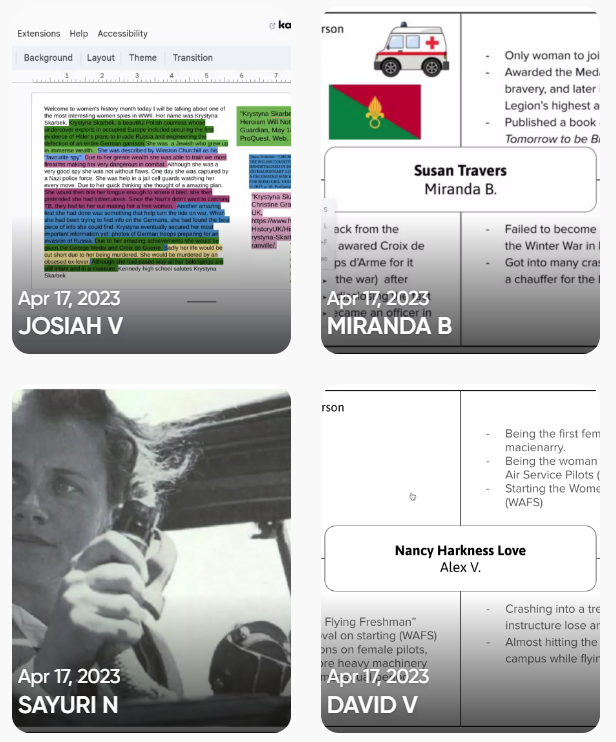
Some of our awesome EduProtocol friends: Angela Zorn, Dominic Helmstetter, and Steph Conklin shared some examples in the gallery below. They have used this protocol with middle to high school grades covering history and government topics.

We hope you will join us on March 21, 2024, at 6 PT/9ET on The Social Studies Show when we talk about all things Thick Slides. Bring your favorite templates, and some examples to show off your content skills, and be ready to share your ideas with some friendly teachers. We look forward to seeing you on EduProtocols Plus.

Hero’s Journey Simplified

Adam Moler and I had a ball presenting together during the Catalina Lesson Design Mixer last week. Adam truly excels at simplifying pedagogy and combines it with an instinctive gift for self-reflection at a depth that I am incapable of. Working with him has helped me grow as a teacher in soooo many ways. Our friendship provides a clear example of how EduProtocols gives teachers a common language to discuss instructional practices and helps us focus on identifying instructional misconceptions together. I wish more teachers had access to a thought partner like Adam. 

Our first session was on the classic CyberSandwich. This simple think-pair-share EduProtocol helps teachers monitor reading comprehension and allows students to practice note-taking, and then share what they thought was important with a peer. Teachers benefit from seeing the same EP used by teachers in different subjects and grade levels. Adam provided numerous examples in his presentation.

In our second session, we presented a smashup of the Hero’s Journey and Archetypes with Sketch and Tell. These frameworks help students classify and organize components of a historical event into mental models for higher levels of understanding.

The Hero’s Journey Eduprotocol applies a student’s historical knowledge to situations, which can be framed as the call to action, threshold, helper, abyss, transformation, and return. Almost every historical event or unit can be filtered through these lenses. Once teachers are familiar with the framework, they will see these patterns everywhere.

These frameworks are a good way for teachers to collaborate on interdisciplinary projects. A science teacher can the life cycle of a disease via the Hero’s Journey.

An ELA teacher can partner with a History teacher in working with City of Thieves by David Benioff, a novel on the siege of Leningrad told from the POV of a starving Russian in WWII.

There is a rich body of literature that examines the use and efficacy of mental models in education. A mental model is a visual representation of how something works. Mental models help us understand complex thinking. According to visible learning researcher John Hattie, conceptual change programs have a .99 effect size. This means that teachers who use these strategies consistently can expect to see more than two years of academic growth with their students.

If you would like to learn more about using The Hero’s Journey EduProtocol join us this Thursday, February 15th on The Social Studies Show on EduProtocols Plus at 9pm ET/6pm PT. We will talk about how to smart start with television commercials before diving into historical eras. Come and share how you get your students excited about comparing actions and events over different periods of time.

Encounters with Archetypes

Adam Moler and I will kick off the second season of The Social Studies Show on Thursday, January 18, 2024 at 6 PT/9 ET. We are excited to work with our EduProtocols Plus members to better understand the role of Archetypes in understanding historical events.

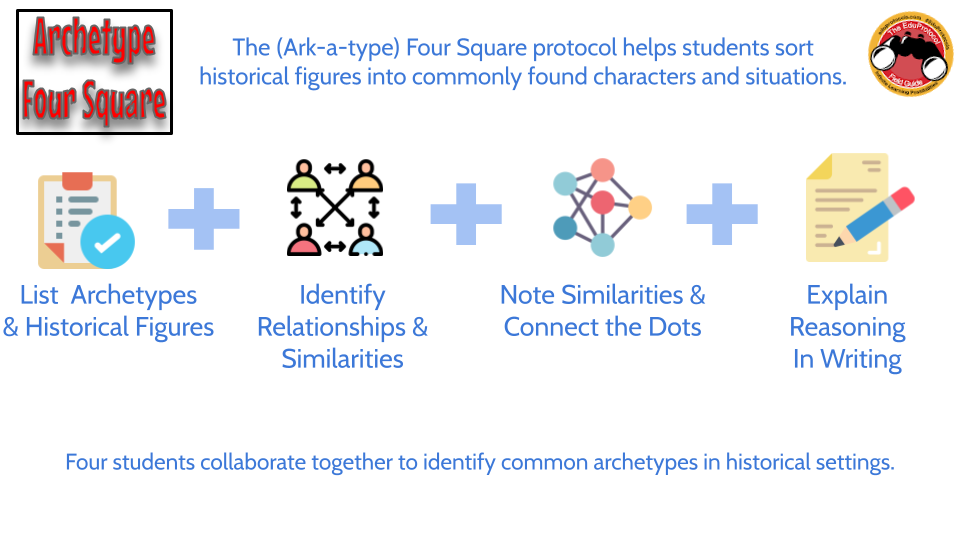
The Archetype Foursquare EduProtocol (Chapter 13) helps students at all levels demonstrate that they can transfer their learning from one subject (English) to another (History). When students start to see that all of their subjects are connected. They become more engaged learners. 

Understanding archetypes helped my students compare the Holocaust and the Cambodian Genocide. These exercises have given my students more practice in identifying the commonalities that connect historical figures. Plus, they work equally well in fiction and nonfiction. Combining the archetypes analysis with the Hero’s Journey framework can make for a rigorous and engaging formative assessment.

Recent Environmental Studies scholarship has utilized archetypes in sustainability research to better understand corporate motives and evidence-based policymaking. One of my students doing a project for AP Environmental Science used archetypes when analyzing who was the worst villain or shadow in the history of fracking which was well laid out in Rachel Maddow’s 2019 book Blowout.

Was it George P. Mitchell, Aubrey McClendon, Rex Tillerson, or Vladimir Putin? Students could be equally engaged in rigorous discussion when trying to determine which historical figures played the role of hero, ally, threshold guardian, shapeshifter, trickster, or mentor. Students will need to dive into the text and back up their claims with evidence.

Not sure if your students are advanced enough to use archetypes in your class? Take a look at these elementary school lessons.

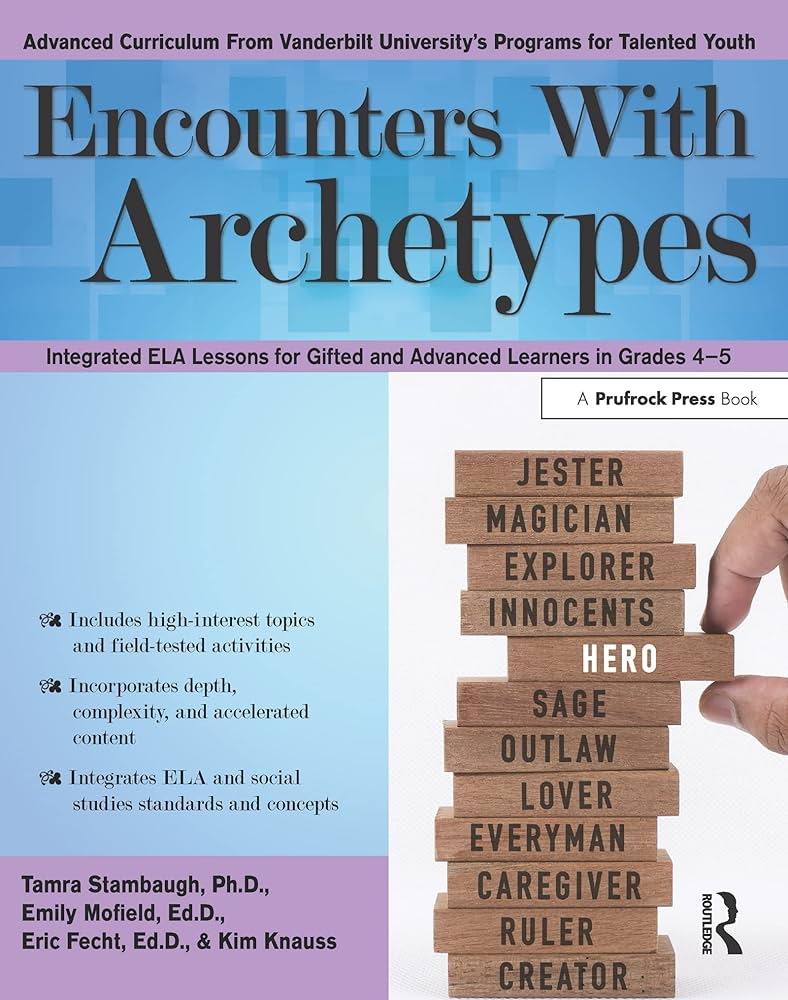
Here is a free book preview that guides teachers on how to integrate interdisciplinary instruction with ELA and Social Studies. We hope you will join the show with examples of how you have used Archetypes in your class.

You can follow #EduProtocols enthusiasts on Twitter/X or join our Facebook group for educators.

Do a search with the hashtag #EduProtocols to view more examples.

Game of Quotes

The Game Of Quotes is a fun and fast-paced activity that can be used to motivate students to pay close attention to the historical texts they are reading in your class. The key to the activity is asking students to find a quote that responds to a borrowed phrase or creative prompt. Students race through rounds to find the most appropriate, insightful, or entertaining response. The teacher asks students to share their responses out loud and the class votes on the best one. 

Adam and I will celebrate the one-year anniversary of the Social Studies Show by playing a Holiday-themed, four-round edition of Game of Quotes on December 21, 2023. Join us on EduProtocols Plus at 9 pm EST/ 6 pm PST. As a Plus member, you can stream our growing library of shows on demand.

Game of Quotes can be easily adapted to help students master historical thinking skills, whether you use the College Board (AP) definitions, the Stanford History Education Group (SHEG) definitions aka Digital Inquiry Group (DIG), or use the definitions from The American Historical Association (AHA). As with all EduProtocols, you are only limited by your own imagination. 

If your students are unfamiliar with the definitions, consider having them warm up with a paraFLY rep. When they re-write the historical thinking definition in their own words, they will reveal any glaring misconceptions. Consider preparing some examples in advance and be prepared to model them repeatedly to clarify understanding.

Depending on the level of academic writing you want your students to master, some may need to be reminded of the Introduce, Cite, and Explain format. Provide this in your whole-class feedback. 

Diving Deeper with ParaFLY

The ParafLY EduProtocol (Chapter 6) helps students paraphrase complex text and simplify it to show a clear understanding of the subject. This post features examples of a 10th-grade World History class practicing interpreting literary criticism. This was a part of a large, interdisciplinary project that required the collaboration of an ELA teacher, a History teacher, and a Spanish teacher. The students used their knowledge from all three classes to write children’s books on historical figures from the Mexican Revolution. The books are archived here

As part of this project, I asked students to write their narratives at a sixth-grade reading level. They used the Hemingway App to check their text and revise it until they hit the target. For practice, I gave them some post-graduate literary criticism from Yisela Maria Padilla of the novel they were reading in class. Students had 15 minutes to paraphrase the original 360-word paragraph, which was written at the post-graduate or 16th grade level. I collected their work via Pear Deck and color-coded it as A=Green, B=Yellow, C=Red. Everyone who made an effort got the points. NOTE: This is not the way to smart start ParaFLY! Always use a low-cognitive lift when starting a new EP. Here are three student responses and the feedback I provided to the whole class.

On the left-hand side of the slide below is the original text and on the right-hand side is my paraphrased attempt. Numerous studies demonstrate that student self-assessment is a major factor in academic improvement. Asking students to identify strengths and weaknesses in their own work yields powerful insights. Increased metacognition and problem-solving with advanced social studies concepts and academic vocabulary leads to deeper learning.

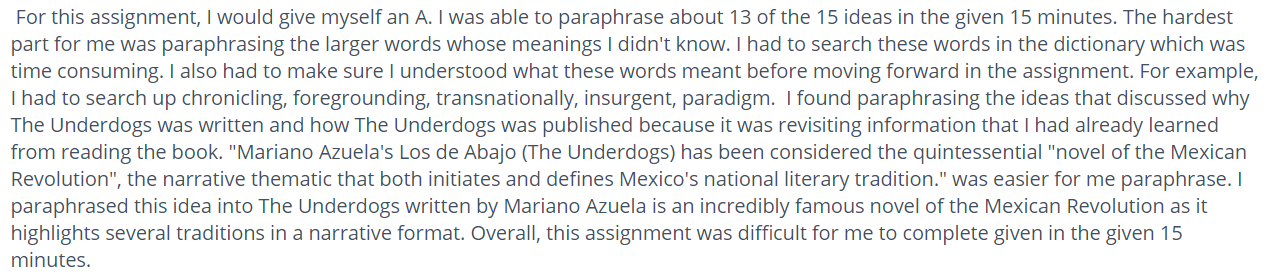
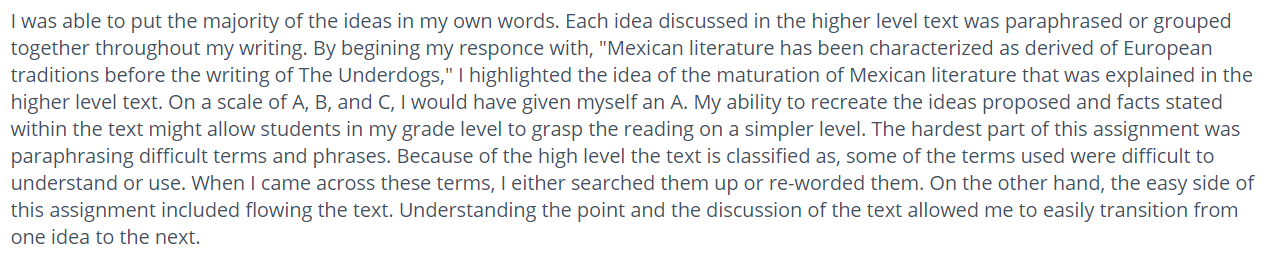
The next day, I asked students to evaluate their work after reading my sample. They posted to a discussion board answering the following questions: Add up how many of the ideas you were able to put into your own words. On a scale of A, B, & C, what would you have given yourself on this assignment? What was the hardest part? What did you find easy? Two student responses are followed by their paraphrasing samples below.

Student A

The Underdogs written by Mariano Azuela is an incredibly famous novel of the Mexican Revolution as it highlights several traditions in a narrative format. Mexican Literature became reinvented by The Underdogs since its appearance in 1915. Literature that was once filled with European tradition now contains Mexican events, culture, tradition, and history. The Underdogs has a hyper national status and was published by Los de abajo’s. This publication left the novel open to not just becoming popular in areas surrounding where the Mexican Revolution occurred (such as Mexico) but to also become popular and reach all around the world. Mariano Azuela documents when he joined Pancho Villa’s men in 1914 in an effort to write a novel that is from the peasants perspective of the revolution.  As Azuela writes about several defeats and then he flees to El Paso, Texas where he finishes his novel and publishes it in a small newspaper (El Paso Spanish-lanugage newspaper). During this time Mariano is starving and poor and ironically published his book on the US-Mexico borderlands. According to Juan Pablo Dabove, the Underdogs is a “nation-state identity paradigm.” This simply means that the story has hidden meanings. It involves several pertinent events and people of the revolution with different protagonists and antagonists.

Student B

Mexican literature had been characterized as derived of European traditions before the writing of The Underdogs. When Azuela released his novel, Mexican literature was changed as we know it. He documented his time as member of a band of Pancho Villa’s men, writing a novel about war and everyone behind it. Villa used the names of important historical figures included in the revolution, but added characters in addition to present ones in attempt to add dimension to his novel. When the Villistas began suffering defeats, Azuela fled across the border to El Paso, Texas, where he finished his novel. The initial release of his novel was not brought much attention to, leaving Azuela penniless. As more publishers were drawn into the attention of the novel, it was celebrated. The success was celebrated for many reasons including the modernization and newfound interpretations of Mexican literature. This modernization was seen through the centralization of the Mexican government and post revolutionary antics, which ultimately allowed political and literary advancements. Despite the self-actualization displayed throughout The Underdogs, the ideas Azuela engaged were sometimes characterized as backward and violent.

Gallery walks are a great way to debrief student self-assessments. Repeated exposure to high-quality reflections helps students improve their metacognitive skills. Pair-share peer reviews can also be helpful.

After receiving whole-class feedback and self-assessing with an exemplar, it is important for students to do another rep immediately. This time, I asked them to select a passage from their research, record the grade level, and then document that they could bring it down to the sixth-grade level. Some were more successful than others.

The ParaFLY can be a challenging EduProtocol to provide feedback on especially if you use the jigsaw method and give every student or group different chunks of text. When using this EP, it is important to do a low-cog smart start and make your students feel proud of their first few reps. Otherwise, they will conclude that they aren’t good at paraphrasing and give up on this essential academic writing skill. These students had used ParaFLY more than a dozen times prior to this and were unafraid to tackle challenging text. I was very pleased with their efforts. They confirmed what Jon Corippo says in his EduProtocol seminars, “More reps mean more confidence!” 

If you are interested in diving deeper with EduProtocols, please pick up our book The EduProtocol Field Guide: Social Studies Edition. You can also catch The Social Studies Show live or on-demand every month on EduProtocols Plus.

ParaFLY with Dave Burgess

Coming up on November 16, 2023, Adam and Scott welcome Dave Burgess, the best-selling author of Teach Like A Pirate to The Social Studies Show on EduProtocols Plus. They will discuss Dave’s journey from Social Studies teacher to a major force in educational publishing and learn what led Dave to publish the EduProtocols series.

This month’s episode will feature the ParaFLY EduProtocol. Paraphrasing is an advanced literacy skill where students express the meaning of a text in their own words, in order to gain greater clarity. Come meet our big daddy pirate and learn how to simplify paraphrasing with EduProtocols.

Paraphrasing is closely related to summarizing, which has a .79 effect size, or two grade levels of achievement according to John Hattie. We will provide some tips and tricks for smart starting the ParaFLY, as well as provide some examples of student work from both of our classrooms. If you already have a copy of our book The EduProtocol Field Guide: Social Studies Edition, you can read Chapter 6 for a sneak preview. We look forward to seeing you on EduProtocols Plus.

Sequencing EduProtocols for PBL

Project Based Learning (PBL) is a teaching method in which students gain knowledge and skills by working for an extended period of time to investigate and respond to an authentic, engaging, and complex question, problem, or challenge. EduProtocols are versatile lesson frames that streamline teacher planning and maximize student creativity, critical thinking, communication and collaboration. Can educators purposefully rack and stack or sequence EduProtocols to simplify PBL for students?

This post will describe a seven-day EduProtocol sequence that resulted in 10th-grade World History students making public service announcements to salute important women who served in World War II for Women’s History month. These projects will be displayed for our high school’s Open House, which is open to prospective 9th graders and the general public.

Day One: Students were asked to read a Children’s Book that had been created by previous classes, then use the Frayer Model to break down this service member’s contributions.

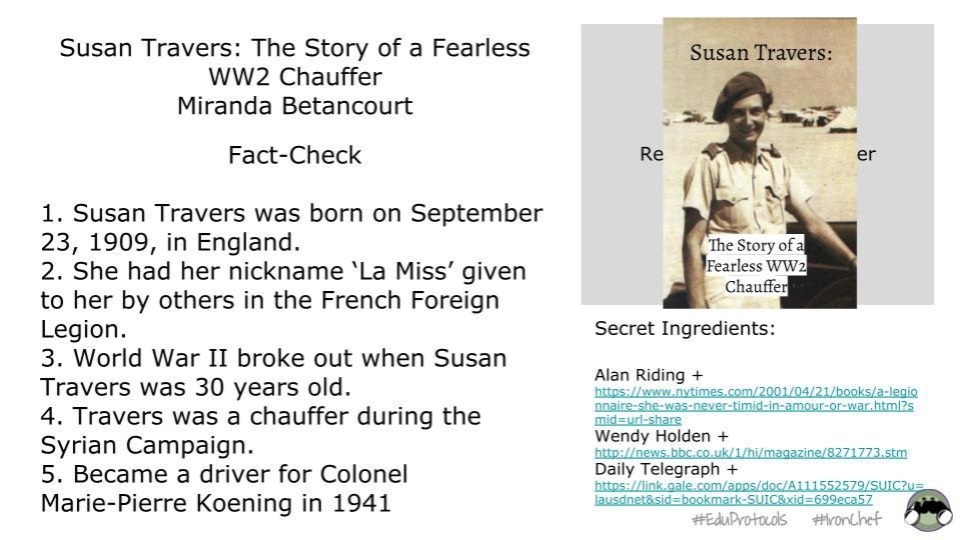
Day Two: We did a fact-checking Iron Chef that taught students the importance of lateral reading and vetting multiple sources when becoming an academic writer.

Day Three: We looked for more sources in the Digital Library so that students could produce 25 facts from five different sources. This was the most challenging activity of the week.

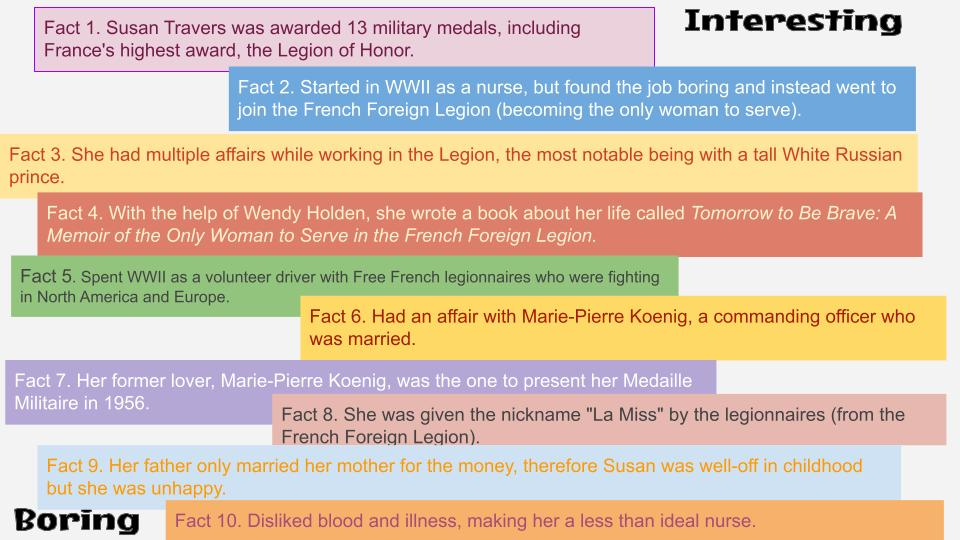
Day Four: Students did a concept sort, consolidating the number of facts from 25 to ten and organizing them on a scale from Interesting to Boring. I have found this helps them come up with an interesting hook to begin their writing. Without it, too many students resort to the stock “So and So was born on this date and died on this date…” approach to historical writing.

Day Five: Students write a first draft of their PSA script and color-code their facts. This shows them the value of using multiple-sources to develop a well-researched fact pattern. Good academic writers go beyond Google & Wikipedia.

Day Six: Students record a two minute Flip video honoring their woman who served in WWII. They set their slides to change every 15-30 seconds so the viewer can see all of the work they put into the project. Here is a link to the work flow if you want to take a closer look at this student’s project.

Day Seven: A personal reflection on what parts of this project were helpful and which parts were hard to finish. Most students explained that finding academic sources and using the digital library were the most difficult. I need to have my awesome librarian come in and show them her tips and tricks for becoming savvy researchers.

Overall, I was thrilled with the quality of the work put into these PSAs. I look forward to sharing them with the school community and will show one per day to all of my classes for Women’s History month next year. Here’s the archive.

If you are interested in learning more about sequencing EduProtocols in order to create more meaningful projects in your Social Studies classroom, consider picking up our book or attending one of our Summer Academies in July.

Nacho Paragraph & Archetypes

Are you looking for an advanced critical-thinking activity that helps students practice transferring funds of knowledge from one subject to another? The Archetype Four Square EduProtocol can help students use what they already know about mythic structure to deepen their analysis skills and make additional connections with other figures they have studied in history.

The College Board has reported that one of the most challenging tasks on their exams is making connections between historical figures and periods. When students view historical figures as human beings with common struggles, they connect those narratives to their experiences and lock the historical details into their deeper memory.

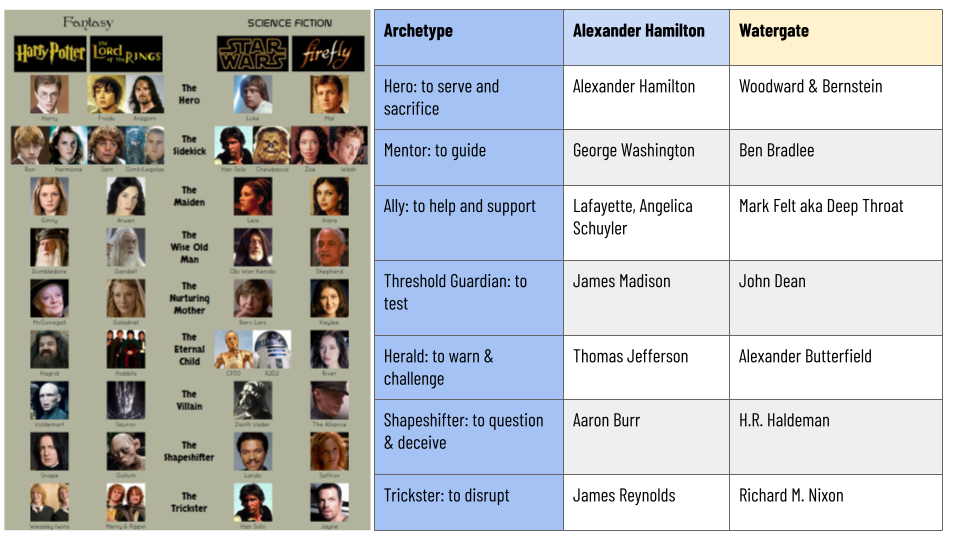
History is full of archetypal characters and situations. Almost every revolution and presidential scandal contain what Carl Jung, the founder of analytic psychology called archetypes or commonly repeating personality types that help simplify human behavior patterns. With practice, you can teach your students to recognize these story-telling techniques to make meaningful connections when studying complex phenomena. George Washington gave advice to Alexander Hamilton in a mentor role similar to how Ben Bradlee, the editor of the Washington Post, encouraged his reporters Bob Woodward & Carl Bernstein to keep digging deeper into the Watergate scandal.

I have found the lenses of The Hero’s Journey and Archetypes to be helpful in jumpstarting classroom conversations. My students worked in small groups to identify which character fits into which archetype. Then they gathered textual evidence to support their claims. Here is an example where a student is struggling to identify an archetype. This description of Alexander needs to be clearly defined. Is he an ally, shapeshifter, or trickster? This student is too vague and does not supply sufficient evidence from the text or the movie.

I have found the Nacho Paragraph EduProtocol well-tuned for helping students elaborate or clarify their rationale. This example shows how three students labeled the same character with different archetypes. To go deeper, I asked them to select one and elaborate with additional evidence. They were only given ten minutes to complete this task.

Archetypes teach students that some claims are easier to support than others. Also, there can be more than one right answer. Your students will dive back into the text and find historical details to bolster their points. Isn’t that what we want? Teachers can model how to strengthen these writing samples with direct instruction and think-aloud explanations as to why one sample is stronger than another. Students can learn to make more connections by reading each other’s responses and voting on which is the most convincing.

Sample A

Sample B

Sample C

To learn how EduProtocols can help you increase the amount of writing your students do while decreasing your prep and grading time, pick up our book The EduProtocol Field Guide: Social Studies Edition. If you already have the book, please consider posting a review on Amazon and sharing your students’ work on Twitter using the #EduProtocols hashtag.

Smashing Eduprotocols

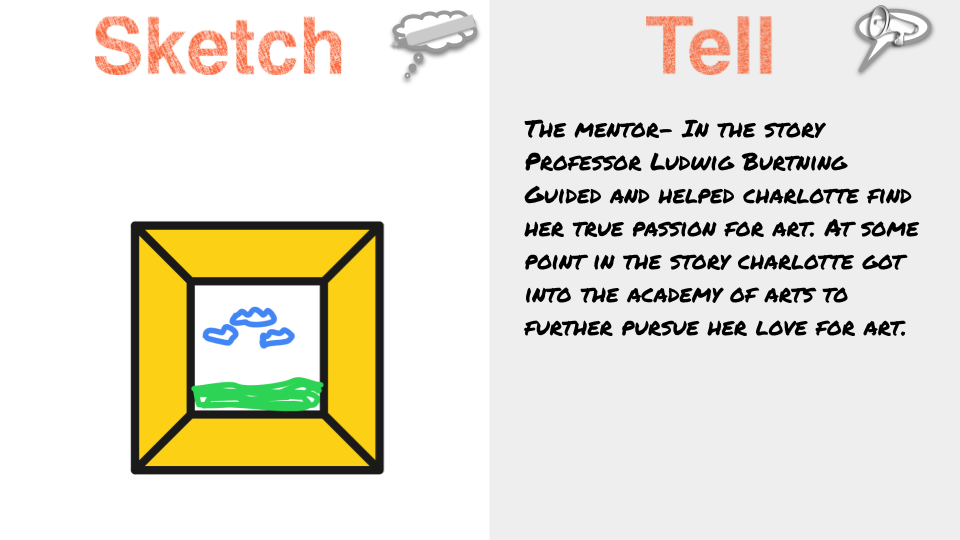
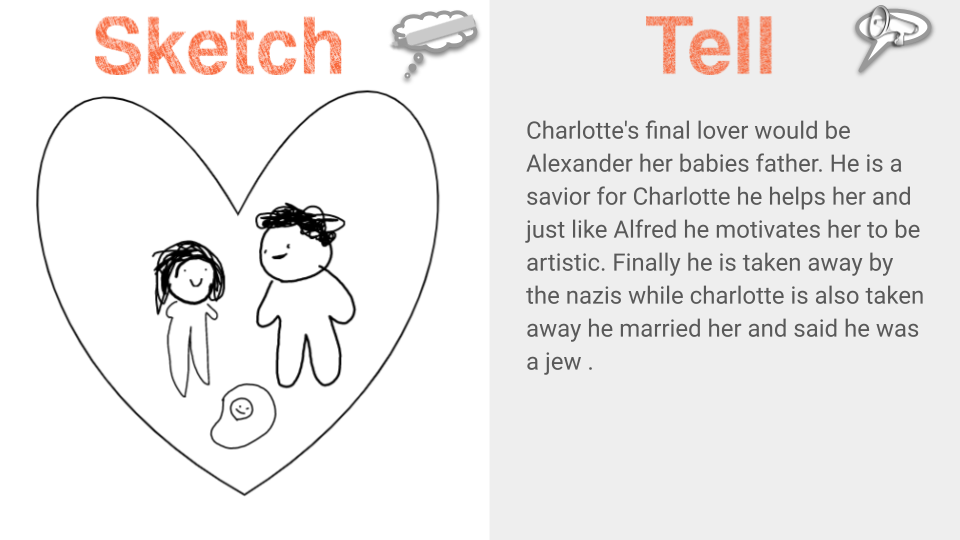
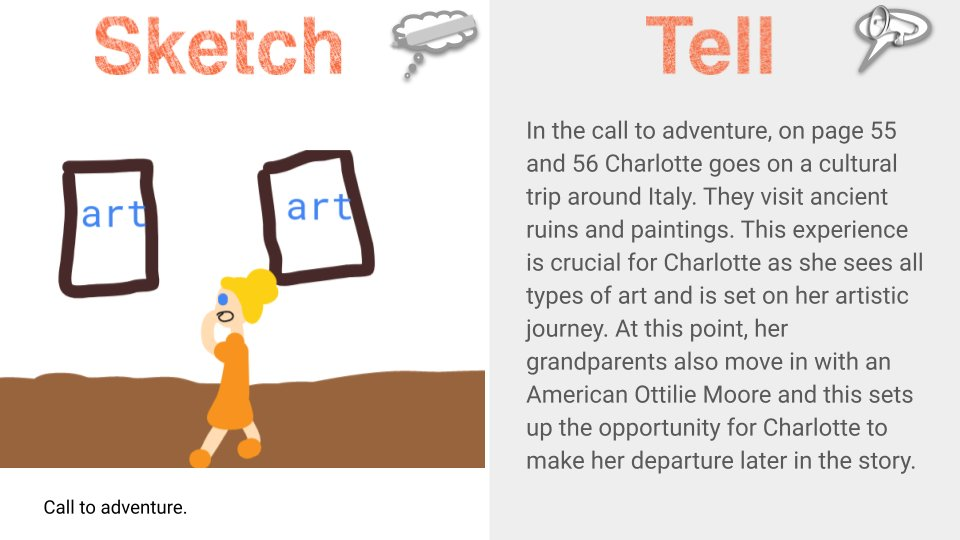
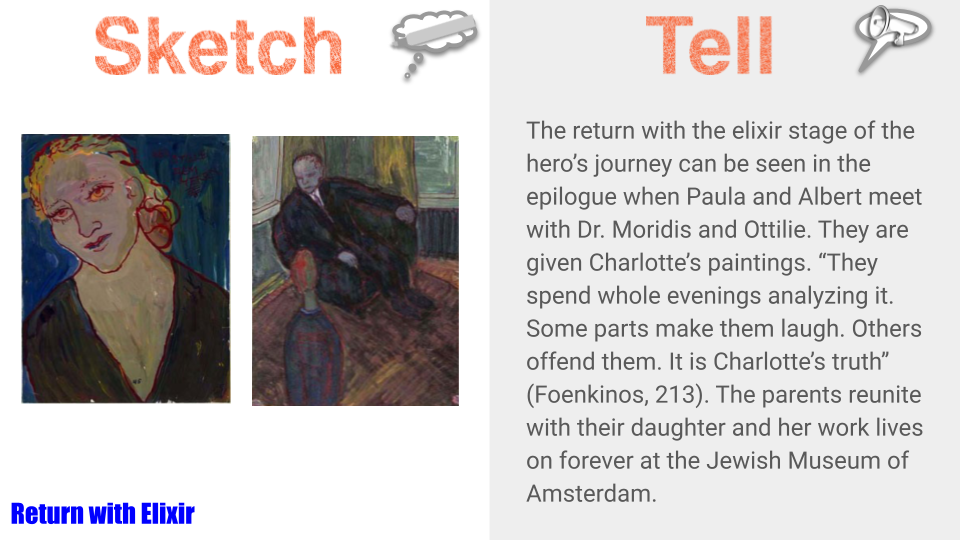
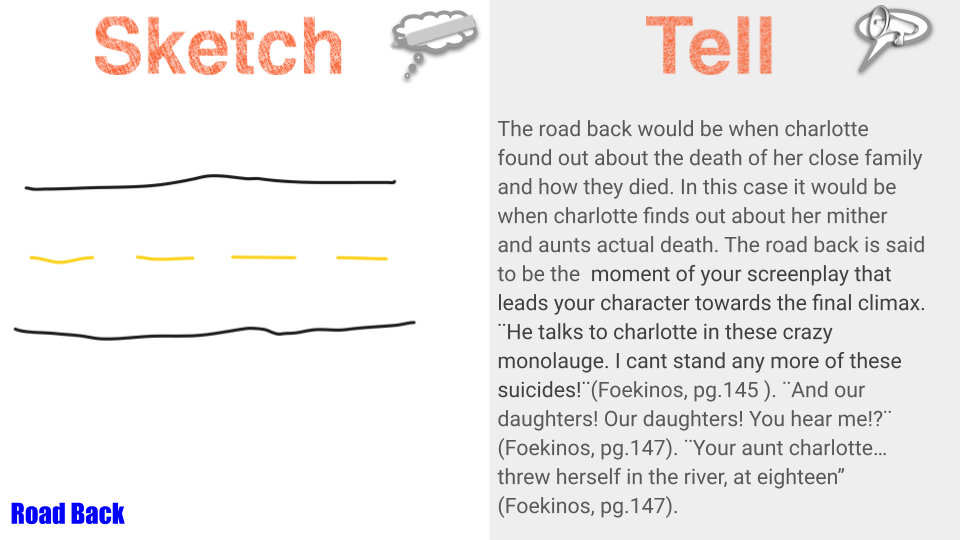
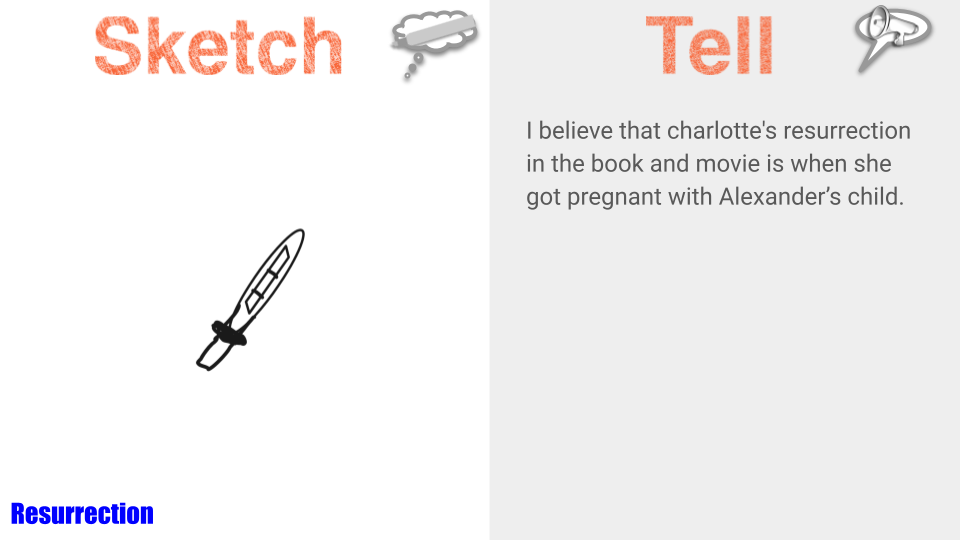
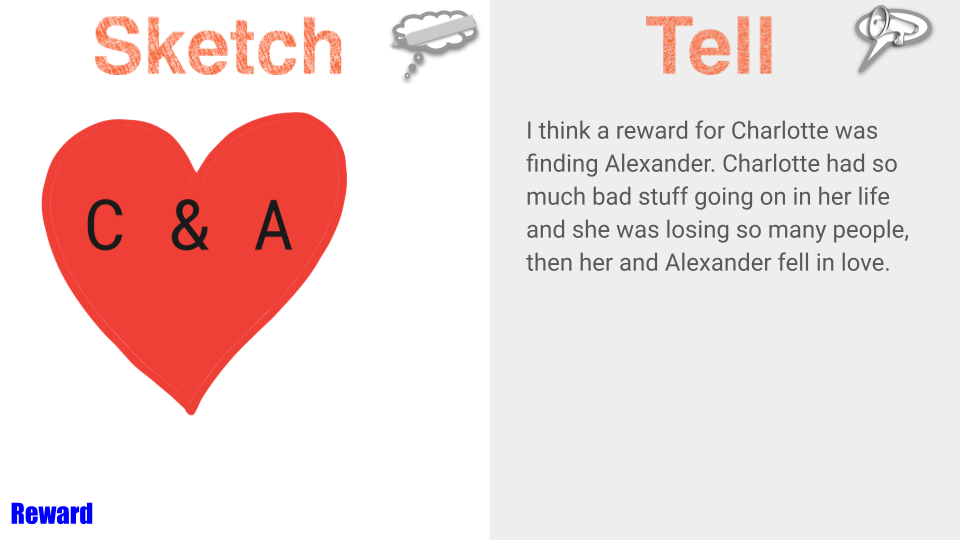
What happens when you smash three EDUProtocols into one? You get an alternative assessment that gets your students talking about the book they are reading in your class. The Hero’s Journey and Jungian Archetypes are popular frameworks for analyzing books, films, and historical events. This activity merged them with a Sketch and Tell.

My students read this book and used the HJ & Archetype framework to take notes as they watched the movie. Then they worked in small groups to arrive at a consensus identifying people and events that represented the stages in the Hero’s Journey and archetypes commonly seen in historical narratives. You can see their attempts here.

While I was TWA — teaching (while) walking around — during first period, I observed many students struggling to use textual evidence and cite page numbers. I was able to reinforce that expectation with my second-period students and the quality got better. I have used the Hero’s Journey and Archetype Four Square EDUProtocols separately in the past and I was thrilled with how the addition of Sketch and Tell allowed students to collaborate and be creative while maintaining a focus on their reasoning skills.

In most classrooms, the students doing the talking are the students doing the learning, however post-pandemic, I have struggled to facilitate decent academic conversations in my classes. Too many students do not want to take chances on original ideas in front of their peers. Presentations are dreadful and small group discussions trail off, wither, and die before including any academic content. This trifecta of an EduProtocol smash built student confidence in applying historical knowledge within an academic framework. The requirement of creating consensus within a small group was the secret sauce or pièce de résistance that kept the conversations going.

It is important to teach students that it is okay to hold deep, contradictory, and complex thoughts in their heads. Real life is seldom black and white. Rewarding conversations teach us to appreciate the many shades of gray involved in historical interpretation. These three students each viewed Alfred differently. Despite this, they were each able to provide evidence and a line of reasoning to support their claim.

I’m happy to report that for their second rep, my students were able to identify the missing steps of the reward, road back, resurrection, and return with the elixir. Their analysis skills were tested and they passed. This was a low-stress, high-impact activity where students got to flex their critical thinking skills and practice using academic language in small group discussions. I will be smashing these EduProtocols again.

To learn more about using The Hero’s Journey, Archetype Four Square, and Sketch and Tell EduProtocols pick up our book The EduProtocol Field Guide: Social Studies Edition. If you are one of our 2,500+ happy customers, please consider posting a review on Amazon. Also, continue to share your student work with us on Twitter using the #EduProtocols hashtag. Lastly, don’t miss our Social Studies Show on the third Thursday of every month.