Continuing to develop my Ethnic Studies-themed book list, this week I read The All-American by Joe Milan Jr. It was a fast-moving story about a young Korean boy who gets into a legal mishap and has his whole world unravel. Bucky Yi is a seventeen-year-old running back in the small town of Tibicut. Shades of Squid Game keep the pages turning. Things can’t get worse, but then they always do.

Without ruining the plot, Bucky becomes a victim of the inept immigration bureaucracies of two different countries. He spends most of the book trying desperately to return to the United States, but along the way he learns to navigate expat life in South Korea, working in a bar, learning the language, tracking down his birth family, navigating the Korean army, and apprehending North Korean spies. Sound like too much? It’s not. Milan’s story is believable and rockets along, making this a rare historical fiction entry that is not targeted at teenage girls. I think my 9th-grade boys would enjoy this tale. Bucky becomes quite ingenious at adapting to an unknown world, but his temper and poor impulse control keep knocking him down each time he makes progress toward his goal.
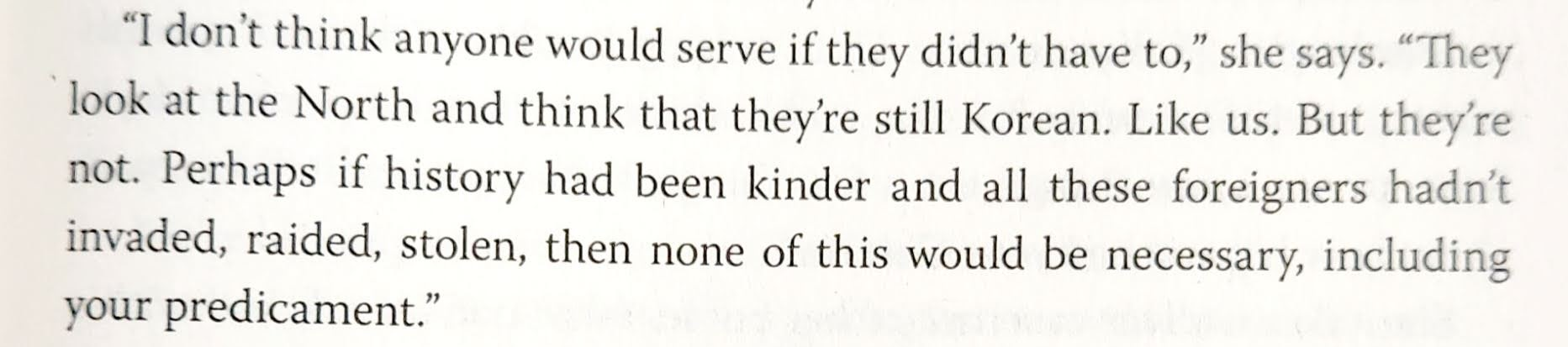
My students are always interested in discussing compulsory military service. Many have strong opinions as to if they would serve or if they would flee. I wish the book dove a little deeper into the history of the Korean peninsula. The historical conflict between North and South Korea could use some contextualization. I would not choose this title to read in my World History class, however, if the purpose of Ethnic Studies is to help students “see” themselves in the curriculum; this book delivers. Bucky is a convincing protagonist for young readers, who like to see themselves riding rollercoasters of unfairness.

As the crisis on the US southern border intensifies, my Ethnic Studies students are more interested in learning about modern immigration issues. The All-American gives them a complicated narrative to sink their teeth into. For inquiry projects, I would ask them to explore essential questions like: Why do migrants leave their home countries? How are migrants seeking asylum received in different countries around the world? How has the public debate about immigration changed during US history? This guide from Learning for Justice has some great ideas.

Lastly, I am always interested in learning how YOU are teaching Ethnic Studies. What books have you chosen to read about North and South Korea? Do you favor a historical approach, literacy-based approach, or thematic approach? What activities have resonated the most with your students? Please leave a comment and thanks for reading.


 HistoryRewriter