Tag Archives: World History

Book Review: Lovely War

This multiple award-winning book sat in my teenage daughter’s room for a couple of years before I got around to it. I remember skimming it in Barnes and Noble and putting it down because it starts off with a romantic triangle between Aphrodite, Ares, and Hephaestus in a New York City hotel suite in 1942. I thought it would be too slow and boring for my 10th-grade World History students. I was wrong. The book has a slow burn.

Author, Julie Berry demands patience from her readers as she weaves together three stories: a love triangle between Greek gods, the romance between YMCA war volunteer, Hazel Windicott and WWI solider, James Alderidge, along with an interracial love story between Harlem Hellfighter, Aubrey Edwards and Belgian singer, Collette Fournier. Tension increases and the stories have plenty of surprises and satisfying endings.

Patience pays off for the readers who stick with the 480-page novel. There is more than enough historical content for students studying WWI. Berry adroitly includes specific details in James’ sniper training, Collette’s recounting of the Rape of Belgium, and of course the treatment of colored troops by the US and France. The author slowly slides race relations into a major theme in the narrative. This subplot is a great way to get teenagers to consider presentism and help them consider how change over time has improved race relations today.
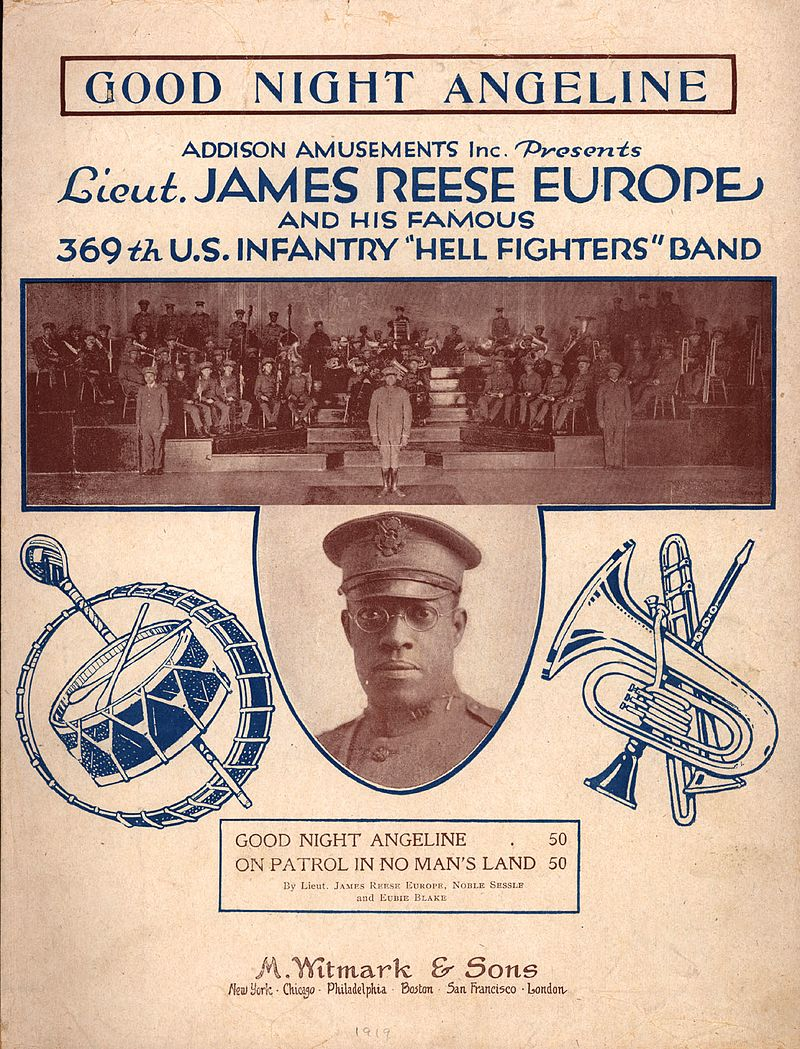
The historical notes at the end of the book give young readers plenty of historical references to check out if they want to learn more about the British Expeditionary Force (BEF) 5th Army, the 369th Infantry, and the unfortunately short-lived life of James Reese Europe. Beautiful music glides in and out of the audiobook, adding some atmosphere and introducing young readers to Jazz. The author also recommends some movies for students to add to their Netflix queue such as Testament of Youth (2014).

While I probably wouldn’t use Lovely War as a whole-class read, I would definitely recommend it to any students who want a deeper dive and enjoy a good love story. I hope it is well-stocked in school libraries.

Book Review: The All-American

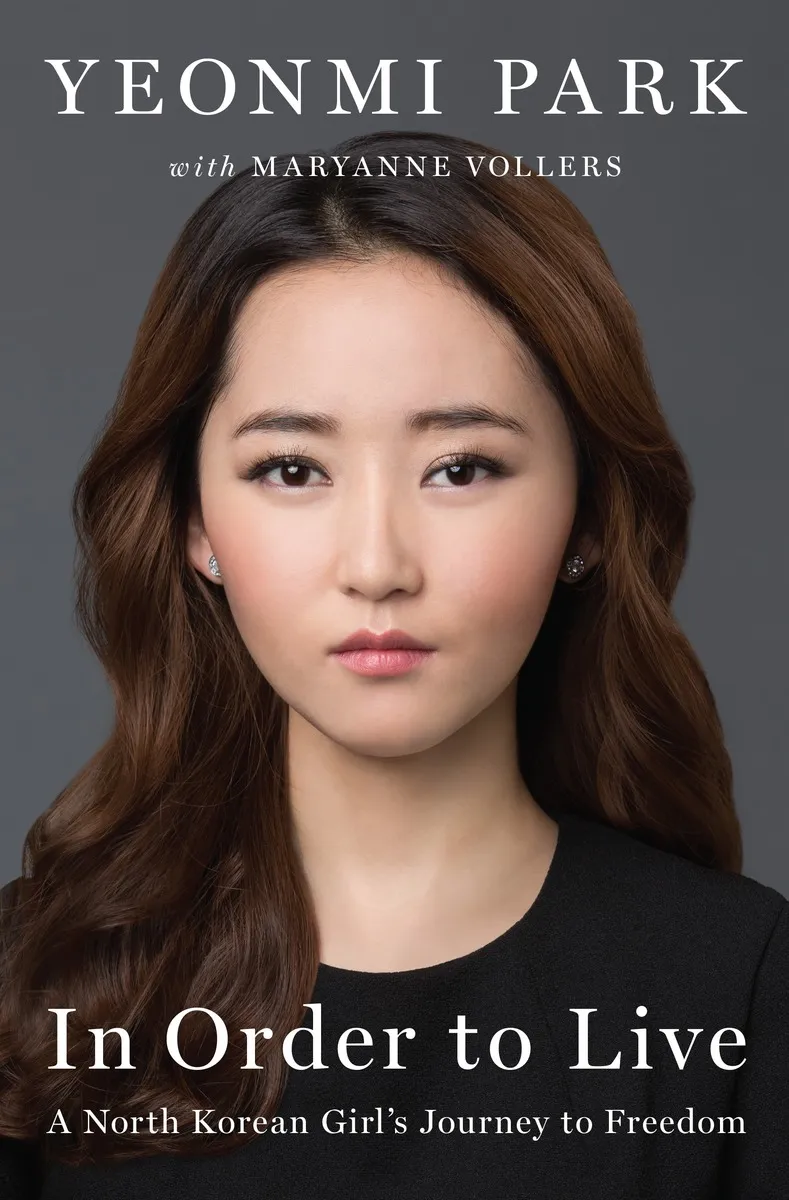
Continuing to develop my Ethnic Studies-themed book list, this week I read The All-American by Joe Milan Jr. It was a fast-moving story about a young Korean boy who gets into a legal mishap and has his whole world unravel. Bucky Yi is a seventeen-year-old running back in the small town of Tibicut. Shades of Squid Game keep the pages turning. Things can’t get worse, but then they always do.

Without ruining the plot, Bucky becomes a victim of the inept immigration bureaucracies of two different countries. He spends most of the book trying desperately to return to the United States, but along the way he learns to navigate expat life in South Korea, working in a bar, learning the language, tracking down his birth family, navigating the Korean army, and apprehending North Korean spies. Sound like too much? It’s not. Milan’s story is believable and rockets along, making this a rare historical fiction entry that is not targeted at teenage girls. I think my 9th-grade boys would enjoy this tale. Bucky becomes quite ingenious at adapting to an unknown world, but his temper and poor impulse control keep knocking him down each time he makes progress toward his goal.

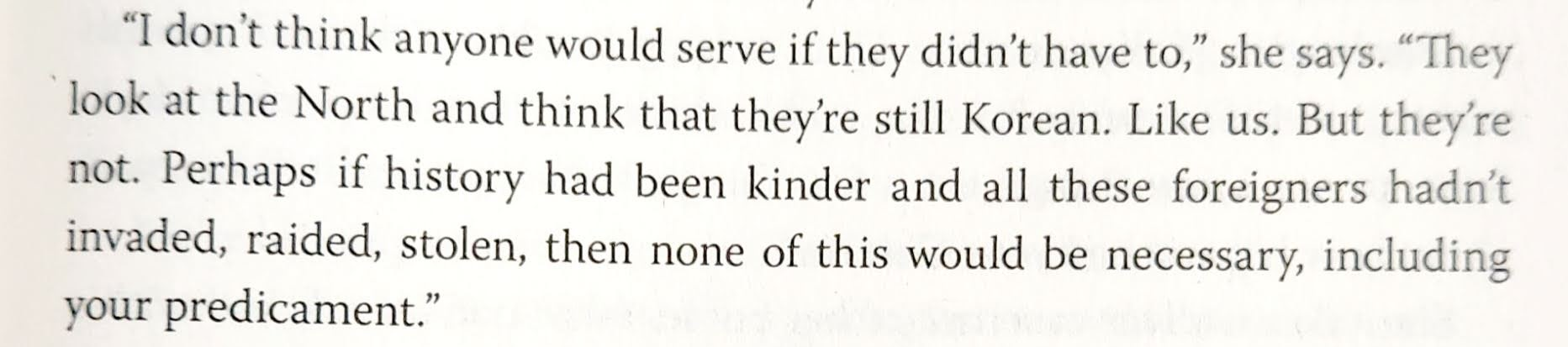
My students are always interested in discussing compulsory military service. Many have strong opinions as to if they would serve or if they would flee. I wish the book dove a little deeper into the history of the Korean peninsula. The historical conflict between North and South Korea could use some contextualization. I would not choose this title to read in my World History class, however, if the purpose of Ethnic Studies is to help students “see” themselves in the curriculum; this book delivers. Bucky is a convincing protagonist for young readers, who like to see themselves riding rollercoasters of unfairness.

As the crisis on the US southern border intensifies, my Ethnic Studies students are more interested in learning about modern immigration issues. The All-American gives them a complicated narrative to sink their teeth into. For inquiry projects, I would ask them to explore essential questions like: Why do migrants leave their home countries? How are migrants seeking asylum received in different countries around the world? How has the public debate about immigration changed during US history? This guide from Learning for Justice has some great ideas.

Lastly, I am always interested in learning how YOU are teaching Ethnic Studies. What books have you chosen to read about North and South Korea? Do you favor a historical approach, literacy-based approach, or thematic approach? What activities have resonated the most with your students? Please leave a comment and thanks for reading.

Sequencing EduProtocols for PBL

Project Based Learning (PBL) is a teaching method in which students gain knowledge and skills by working for an extended period of time to investigate and respond to an authentic, engaging, and complex question, problem, or challenge. EduProtocols are versatile lesson frames that streamline teacher planning and maximize student creativity, critical thinking, communication and collaboration. Can educators purposefully rack and stack or sequence EduProtocols to simplify PBL for students?

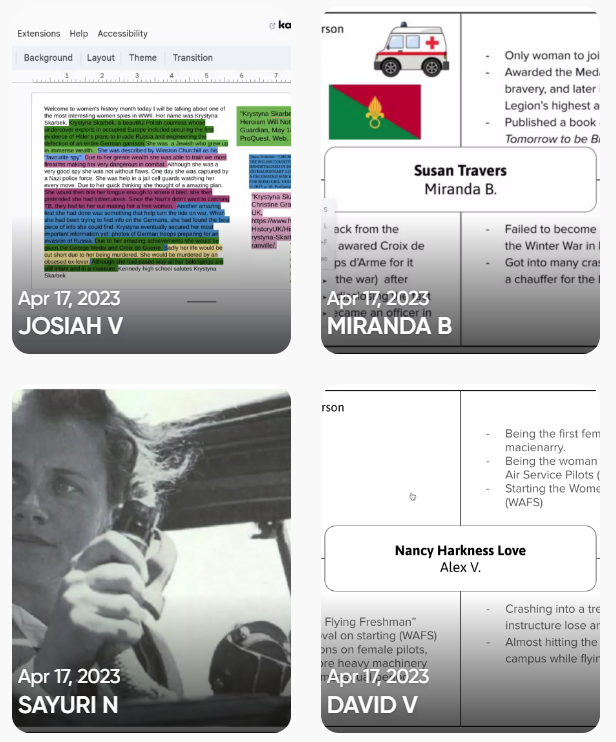
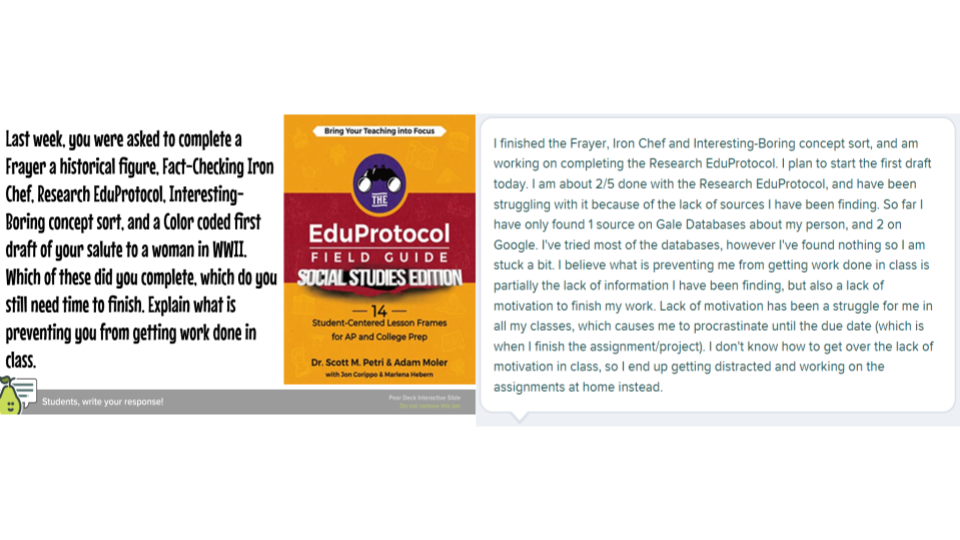
This post will describe a seven-day EduProtocol sequence that resulted in 10th-grade World History students making public service announcements to salute important women who served in World War II for Women’s History month. These projects will be displayed for our high school’s Open House, which is open to prospective 9th graders and the general public.

Day One: Students were asked to read a Children’s Book that had been created by previous classes, then use the Frayer Model to break down this service member’s contributions.

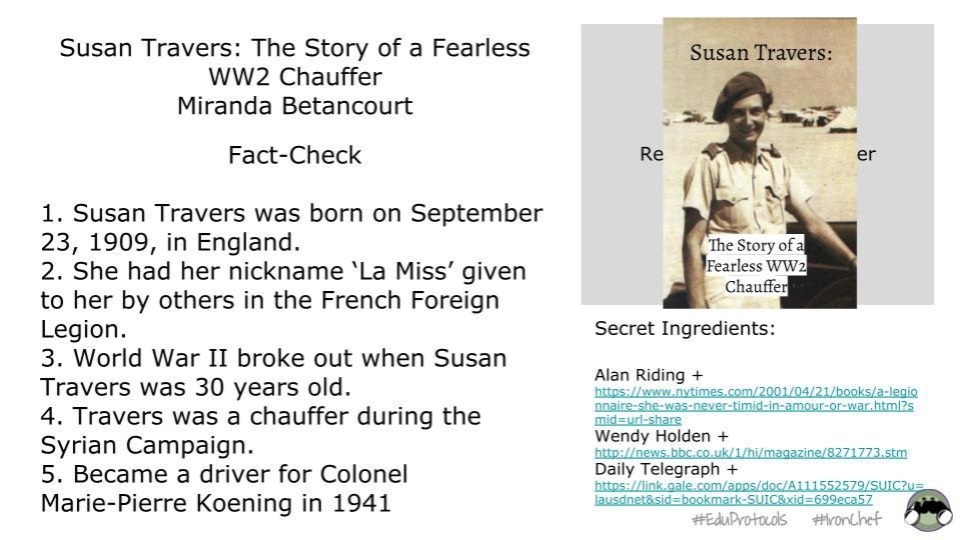
Day Two: We did a fact-checking Iron Chef that taught students the importance of lateral reading and vetting multiple sources when becoming an academic writer.

Day Three: We looked for more sources in the Digital Library so that students could produce 25 facts from five different sources. This was the most challenging activity of the week.

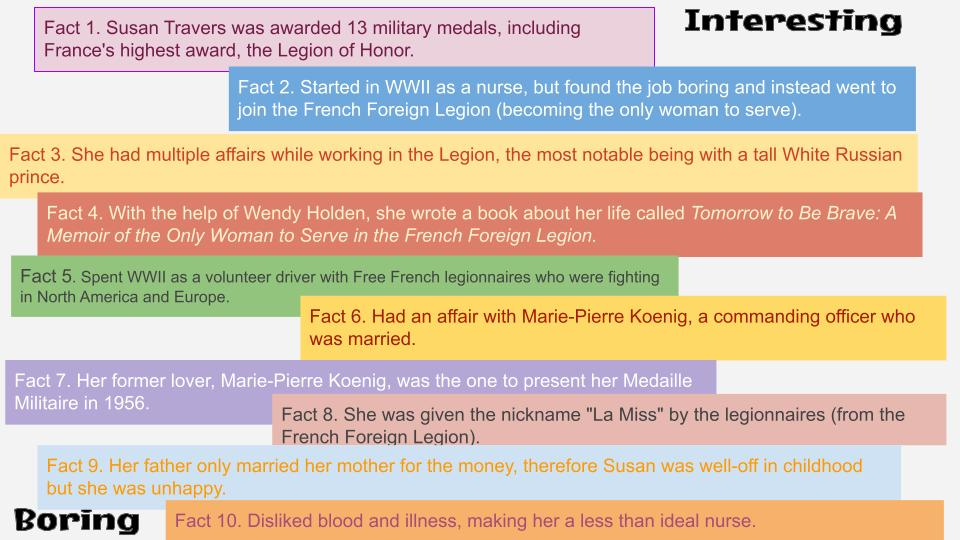
Day Four: Students did a concept sort, consolidating the number of facts from 25 to ten and organizing them on a scale from Interesting to Boring. I have found this helps them come up with an interesting hook to begin their writing. Without it, too many students resort to the stock “So and So was born on this date and died on this date…” approach to historical writing.

Day Five: Students write a first draft of their PSA script and color-code their facts. This shows them the value of using multiple-sources to develop a well-researched fact pattern. Good academic writers go beyond Google & Wikipedia.

Day Six: Students record a two minute Flip video honoring their woman who served in WWII. They set their slides to change every 15-30 seconds so the viewer can see all of the work they put into the project. Here is a link to the work flow if you want to take a closer look at this student’s project.

Day Seven: A personal reflection on what parts of this project were helpful and which parts were hard to finish. Most students explained that finding academic sources and using the digital library were the most difficult. I need to have my awesome librarian come in and show them her tips and tricks for becoming savvy researchers.

Overall, I was thrilled with the quality of the work put into these PSAs. I look forward to sharing them with the school community and will show one per day to all of my classes for Women’s History month next year. Here’s the archive.

If you are interested in learning more about sequencing EduProtocols in order to create more meaningful projects in your Social Studies classroom, consider picking up our book or attending one of our Summer Academies in July.

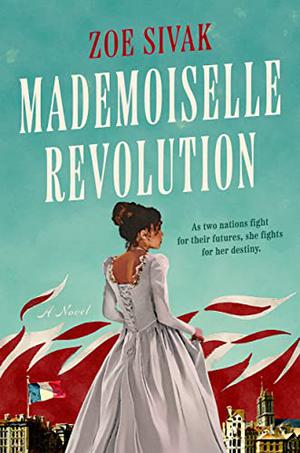
Book Review: Mademoiselle Revolution

With themes of bisexuality and biracial justice, Zoe Sivak’s 2022 dual story of the Haitian and French Revolutions will surely be banned from public schools in Florida and Texas. As the father of two argumentative teenage daughters, this is exactly the book I want them to read as they wrestle with questions of white privilege, economic and racial justice, and reconciling the precarious balance between terror and freedom.

I devoured this book in two days and found myself thoroughly engaged with the imagined conversations between the heroine and Robespierre as the book speeds to the Incorruptible’s inevitable end. This review will not contain spoilers. Suffice it to say, I am a fan of how Spivak navigates her heroine through the female political clubs of French society, noodling with her fellow nobles, yet jibing with the Jacobins, and manipulating the Montagnard’s partisan sympathy for the sansculottes.

Meeting Olympe de Gouges moves Sylvie from a passive observer to a participant in partisan politics. She asks, “How can I not [participate]? We invite that risk into our lives every moment we pray for the mercy of men who hardly think of us at all” (316). Do all history teachers dream of texts where the main characters quote Rousseau in their arguments? This book delivers in capturing the intellect of the Enlightenment in French salons.

Although I wouldn’t recommend this book for middle schoolers, high schoolish budding feminists will love the delightful plot twists that transform Sylvie from a vain and vapid woman of privilege into a formidable, female freedom fighter who curses out Robespierre, “You betrayed us! You became obsessed with terror — this precious fuel to revolution… Terror is a crueler tyrant than some spendthrift queen or hapless king could ever be. It’s a monarch I wouldn’t wish on anyone. Yet you wore terror like a crown” (Spivak, 2022, pp. 394-395).

In the past, I have had my students read Marie Antoinette: The Journey by Antonia Fraser and Pure by Andrew Miller to better understand the factions, motivations, and nuances surrounding the French Revolution. However, Sivak’s work of historical fiction may better engage teenage readers and engross them in meaningful discussions about liberty, equality, and fraternity… (or sorority) and what those words mean today. Brava, Zoe Sivak!

3XCER Challenge

Thanks to the awesome work of Science teacher extraordinaire, Ariana Hernandez, I was inspired to try the three-way claim-evidence-reasoning challenge with my World History students who are studying Middle East conflicts. I found this great reading by Dr. Sawsan Jaber and asked my students to work in small groups to identify claims of fact, policy, and value

My student teacher Mr. Preston Becker created a Kahoot to help our students do some retrieval practice when learning the different types of claims. After a round of practice in teams, students were ready to dive into the reading. I modified Ariana’s template so that students could all work in the same document and I could monitor their progress. They were given 30 minutes to identify the three different claims and talk about whether or not there was a grande claim — the most important point in their reading. 

Instead of providing individual feedback to each group, I chose a sample and added comments so that students could see where they need to improve. 

10th grade World History student work example.

Where I highlighted in red, I commented that a claim of policy should be made by an institution, organization, or government. This sounds more like an opinion or claim of value. Where I highlighted in yellow, I mentioned that a claim of fact should be able to be proven or disproven. How would you do this? Lastly, for the claim of value, I asked what is an adjective you would use to describe this value-oriented behavior?

Students will use this challenge again to identify claims in their reading of I Am Malala or The Kite Runner. I know that their English teacher and Chemistry teacher both use this CER format in their classes and I hope students will see how easy it is to transfer their knowledge and skills in all subjects.

Interdisciplinary Approaches to ELA & History

I am always on the hunt for good historical fiction that makes my students connect with the era under study in my class. This week, I finally finished Forbidden City by Vanessa Hua. It’s a fantastic book by a well-respected author and could engage students in deep learning about the Chinese Cultural Revolution, however, the focus on the love life between the Chairman and Mei Xiang makes this book too cringey for me to assign to my class. This is honestly the first book where I have censored myself and I wonder if other social studies teachers feel similarly in this political climate, or if I am alone in this sentiment. 

Do you feel as if your school administration would stand up to parents who want to question or argue with you about your curricular choices?

Does today’s anti-teacher sentiment make you anxious about assigning academic work outside of your district textbook?

Should teachers team together on interdisciplinary approaches to teaching ELA & History in order to diffuse some of this tension? 

Join me on Twitter September 26, 2022 at 5 PT, 7 CT, or 8 ET to chat about this topic with the #sschat #sschatreads & #engsschat community. Bring your most controversial titles. We will be issuing merit badges.

Children’s Book Projects

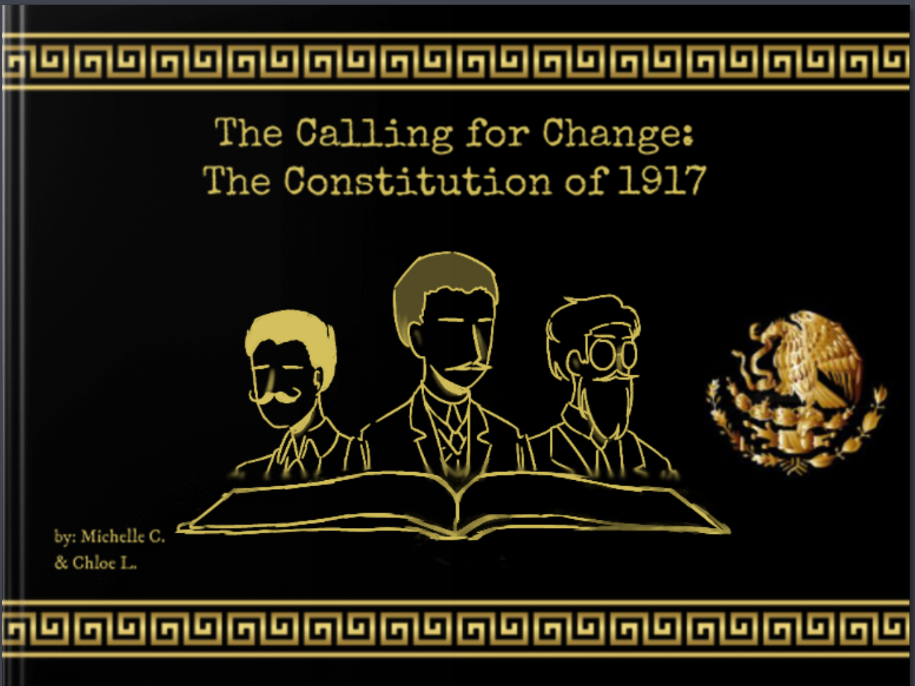
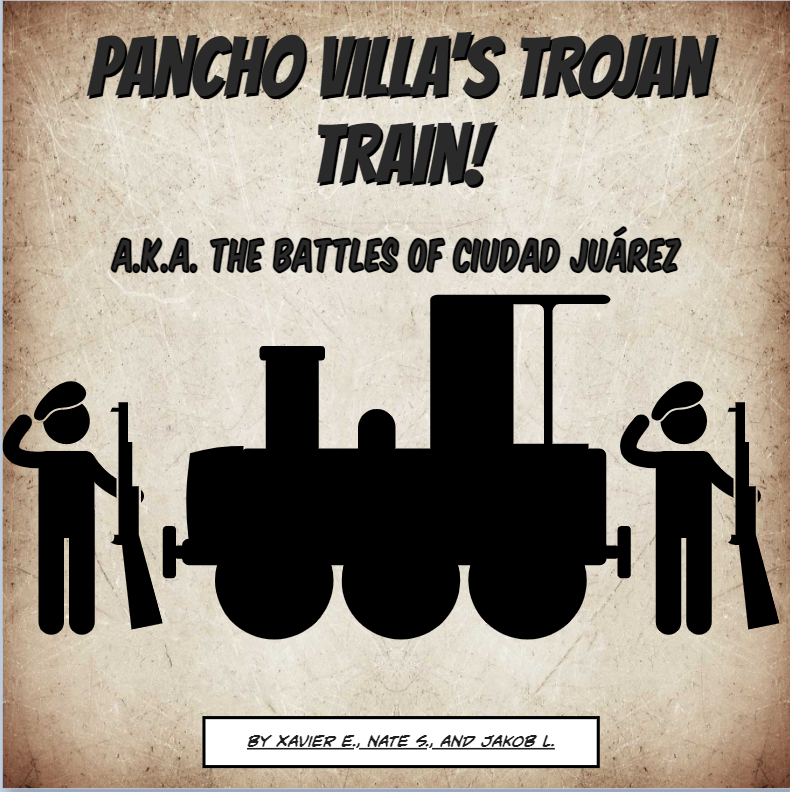
For the past few weeks, my tenth grade World History students have been learning about the Mexican Revolution. They read The Underdogs by Mariano Azuela in their ELA class, and in my class they viewed the PBS documentary The Storm That Swept Mexico, learned about La Soldaderas, and researched and wrote children’s books on important events and leaders from the Revolution.

Almost every student completed this project on time and they were given multiple chances to revise and resubmit a perfectly formatted annotated bibliography of five sources for their book. I taught them how to use The Hemingway App and Rewordify to help paraphrase their text. Students could work in groups or independently, the only rule was each student had to produce six pages of content.

The top three entries were chosen by BookCreator to be displayed in their instructional libraries. I am so proud of these students.

https://read.bookcreator.com/cgkm1YQFihcaV9mXXkOebPP6AkP2/o9_ZKSGnT4CqU0eFLXNzXQ

https://read.bookcreator.com/b9ooRapSmdYBSQy2QUPCWgnSJ9m2/vGs6TpavQpy-E5Y0DnaHtg

https://read.bookcreator.com/6rWnNn5Zz6aOpssaM2mAZALlJhx2/vP5iwXKiTriIR65rcGLTCw

To take a look at ALL OF the books, click through this spreadsheet.

At the end of the 15 week grading period, my students have earned 35 (As), 15 (Bs); 9 (Cs); 4 (Ds); and 7 (Fs). Please ask your child to share their book project with you and celebrate their creative accomplishments.

Coming up next. The Great Thanksgiving Listen.

Graphic Novel Review: Illegal

20190825_134400

Illegal is the story of Ebo, a young boy from Ghana who journeys across Africa to Tripoli where he hopes to migrate to Europe and reunite with his older sister Sisi and his older brother Kwame who have already left home. This 122 page graphic novel by was written by Eoin Colfer and Andrew Donkin with the images drawn by Giovanni Rigano.

20190825_134439

A small cast of characters make this book an easy, yet dramatic read for students learning about immigration and Africa. Ebo, Kwame, Sisa, Uncle Patrick, Rozak, Penn, and Cammo.

The reader quickly learns that the life of a migrant is a dangerous routine of work, hide, and sleep in order to get up and avoid detection the next day. Human traffickers abound and pop up frequently to separate migrants from their hard-earned money.

20190825_143330

Ebo’s gift for song carries him to the city of Agadez where an impromptu gig at a wedding helps him get to Europe. There are many opportunities for teachers to help students learn about African countries, the legacies of imperialism, and the sad history of decolonization. Students can create empathy maps, timelines, and map the refugees’ journey, as well as engage in inquiry projects about refugees in and out of the United States.

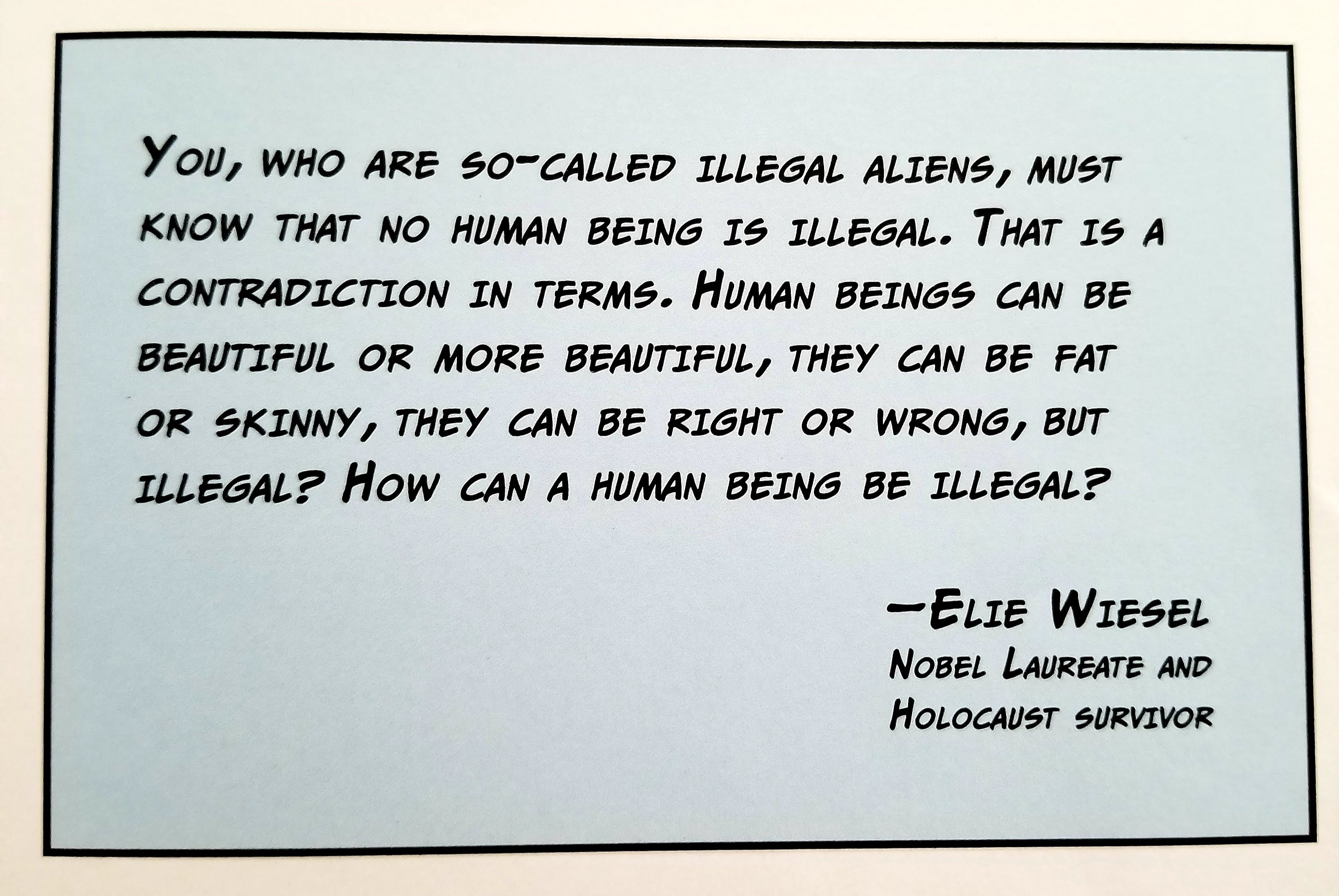
The opening quote from Eli Wiesel reminds us all that humanity depends on humans caring for each other. Isn’t that what the study of history is for?

20190825_134322

WWI Podcasts

This post will showcase 11th grade US History students’ podcasts on a person, place, or event from the Great War.

WWI Banner

This WWI Podcast assignment was adapted from an NWP article detailing how to conduct a First Person Research Paper  by Cindy Heckenlaible (2008). First students listened to a 15 Minute History lecture to understand why the US joined WWI and then they used the resources provided to brainstorm topics. To see the directions for a previous assignment, look at Vietnam War Narrative. You may listen to three earlier student examples: The Orange Mist Protest Becomes Tragedy, and The Last Moments of Elizabeth Hall.

Decide to work with partners or work solo. Then use this spreadsheet to declare your narrator and story (topic). Each narrative must be at least three minutes for an individual assignment, add 1.5 minutes to your story for each additional person involved in the project. The five components of this project were worth 50 points each.

1) Produce an Annotated Bibliography in MLA format with at least six sources. If a historical detail is not included in your annotation, then you cannot use it in your narrative. 92% of students turned this in on time.

Use the details from your annotated bibliography to write your script. Document the historical details in your story by underlining them and including a (parenthetical citation) immediately after. The theme of your story should be — What is a moment in history that all students should learn about? You may use sound effects and soundscapes, but NO MUSIC!

Tools
BBC Audio http://bbcsfx.acropolis.org.uk/ 
Soundscapes https://city.ambient-mixer.com/

Make sure you study the tips in this presentation as you plan your narrative and 2) use this format to submit your story in writing.  81% of students turned this in on time. 3) Create an Annotated Timeline that includes maps of where your story takes place. 37% of students used their time well enough to complete this on time. 4) Write a 5 question Quizizz to share after your story has been heard by the class. Emphasize the most important historical details in your questions and include facts that you would expect to see in a history book. 74% of students turned this in on time. 5) Submit your narrative recording to get all the points. 44% of students made this deadline. 65% of students were able to complete all components on time.

Debrief/Reflection

Describe how you managed your time and completed each component of this project? Which of the resources provided did you find most helpful? What does this piece reveal about you as a learner? What would you change if you had a chance to do this project over again?

CA USH Standard: 11.4.5: Analyze the political, economic, and social ramifications of World War I on the home front. CCSS: Write narratives to develop real or imagined experiences or events using effective technique, well-chosen details and well-structured event sequences.


WWI First Person Research Paper

On order to engage my students in the study of World War One, they are conducting a first person research paper that showcases their narrative skills. This assignment was adapted from (Heckenlaible, 2008). I am posting the directions for the assignment now and will follow up with additional posts featuring student work and feedback.Pershing

Gen. John J. Pershing, photographed by Harvey Patteson in 1917. Courtesy of the Library of Congress. https://www.loc.gov/item/00652556/

  1. Listen to 15 Minute History to refresh your memory on why the US joined WWI and use the resources to help you brainstorm topics.
  2. Decide to work with partners or work solo. Then use this form to declare your narrator and story (topic). Each narrative must be two minutes or 1.5 pages per person.
  3. Produce an Annotated Bibliography in MLA format with at least six sources. If a historical detail is not included, then you cannot use it in your narrative.
  4. Use the details from your annotated bibliography to write your script. Document the historical details in your story by underlining them and including a (parenthetical citation) immediately after.
  5. Submit your story in writing or record your narrative for extra points.
  6. Create an Annotated Timeline that includes maps of where your story takes place.
  7. Write a 5 question Quizizz to share after your story has been heard by the class.

To see the directions for a previous assignment, look at Vietnam War Narrative You may listen to three examples: Vietnam War Nurses, Protest Becomes Tragedy, The Last Moments of Elizabeth Hall

CA USH Standard: 11.4.5: Analyze the political, economic, and social ramifications of World War I on the home front. CCSS: Write narratives to develop real or imagined experiences or events using effective technique, well-chosen details and well-structured event sequences.